

Protection for hoof and coronet
Overreach boots
Overreach boots, also called bell boots, protect the heel bulbs and coronet when the horse strikes its front hooves with its hind hooves. At Lepona you will find overreach boots made of rubber, neoprene, PVC, faux leather and leather, with a fleece or sheepskin edge, with hook-and-loop fastening or pull-on, in sizes XXS to XXL. There are also heel bulb protection models.


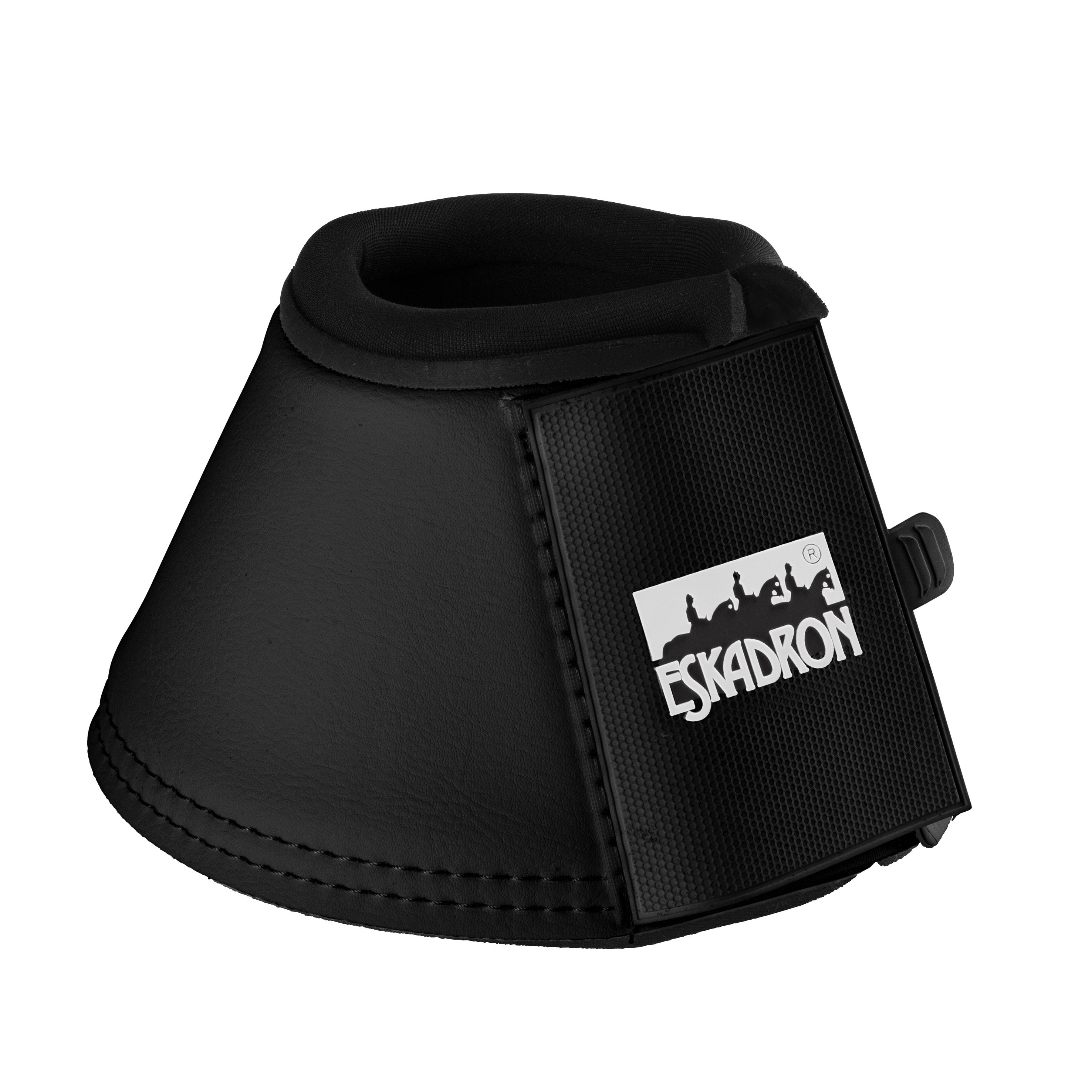


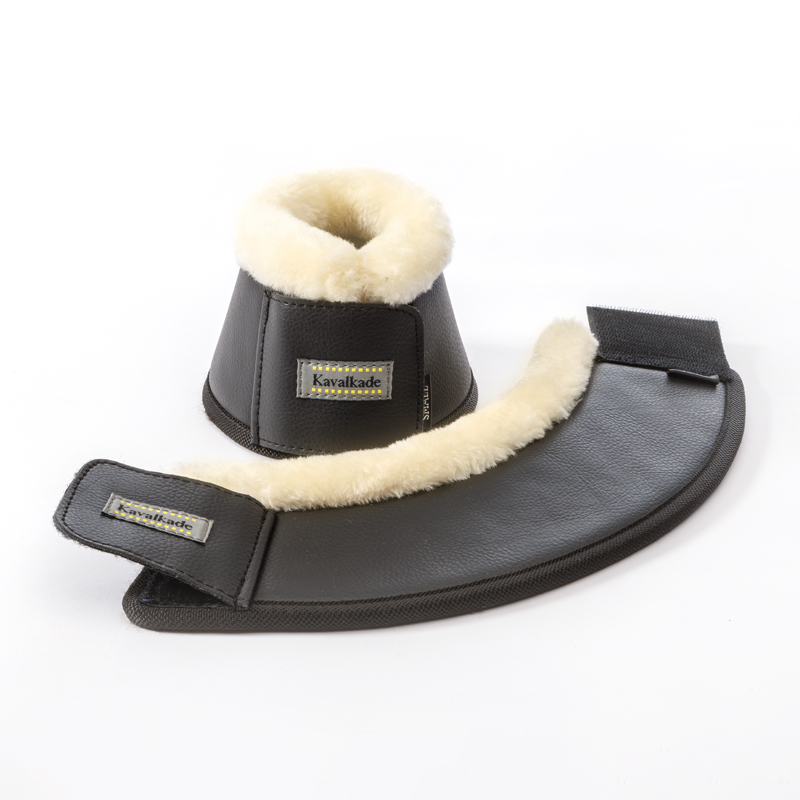
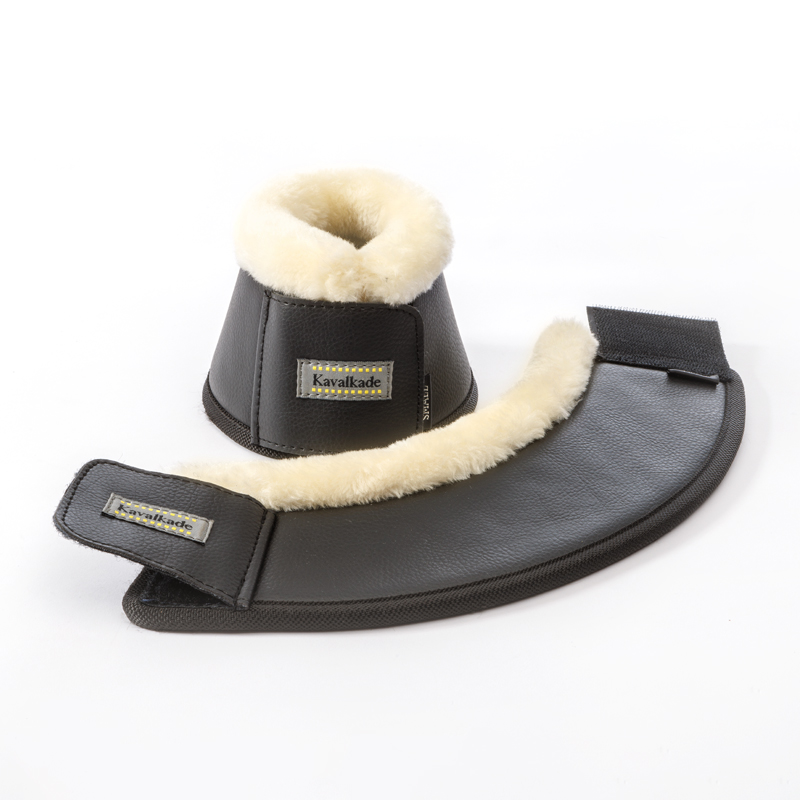

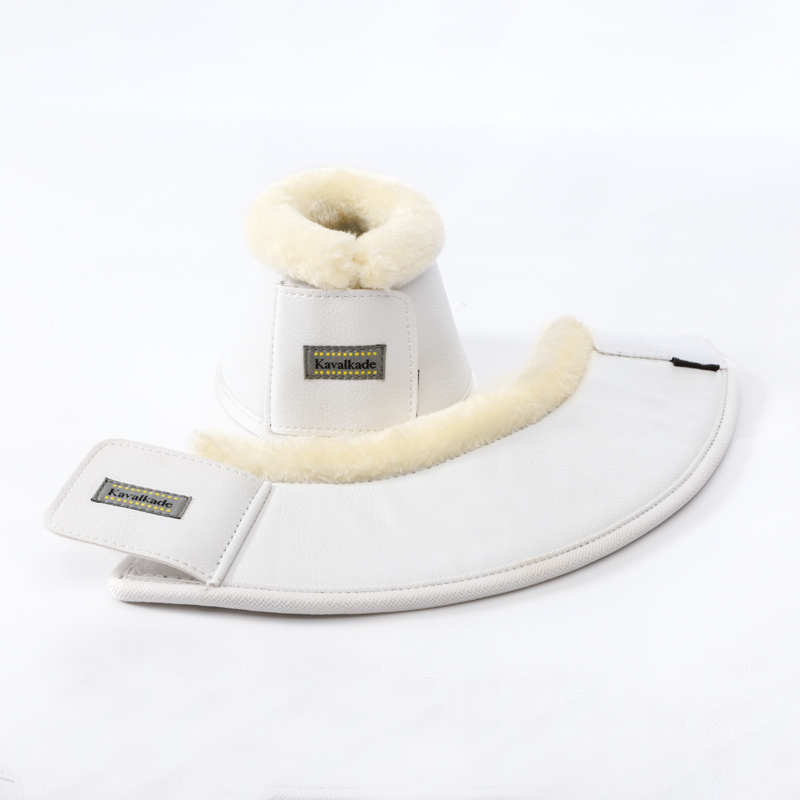


Which overreach boots suit your horse?
Overreach boots sit around the pastern and cover the heel bulbs and coronet. They are meant to prevent the horse from injuring its front hooves with its hind hooves or pulling off a shoe when jumping, in expressive paces or on deep ground. They are usually worn in front. With certain shoeing or injuries they can also make sense behind; it is best to discuss this with your vet or farrier.
Materials at a glance
- Rubber: flexible, robust and easy to rinse off. They come closed as pull-on boots or open with hook-and-loop fastening.
- Neoprene, PVC and natural rubber: somewhat firmer than plain rubber and often with a soft edge finish.
- Faux leather and leather: keep their shape, often with a padded lining, for example made of neoprene.
- With sheepskin or fleece edge: lambskin, faux fur or fleece on the edge or in the lining pads the back of the pastern, for example for sensitive skin.
- Heel bulb protection: special models designed mainly to protect the heel bulb area. How they are made is stated on the item.
Hook-and-loop or pull-on?
Most overreach boots in the shop have a single or double hook-and-loop fastening. They are quick to put on and can be adjusted in width to some extent. Closed pull-on boots often sit more firmly and are lost less often, but they are harder to put on, especially when they are new and still stiff. Some models are available in both versions.
Size and fit
Overreach boots come in sizes XXS to XXL; some manufacturers use their own designations. The size depends on your horse's hoof and pastern, not just on its breed. Use the manufacturer's size chart. As a rule of thumb, when the horse is standing the boot should cover the heel bulbs but not touch the ground. It should be able to turn slightly on the pastern without rubbing or slipping. If it is too long, the horse can tread on it; if it is too short, it does not protect the heel bulbs.
Use: riding, lunging, travelling, turnout
- Riding and jumping: this is the typical use, often together with horse boots.
- Lunging and free schooling: many horses move particularly energetically on the lunge. Overreach boots can make sense there.
- Travelling: overreach boots can be used in addition; for travelling there are also travel boots, which usually cover the coronet as well.
- Field and paddock: opinions differ on whether a horse should be turned out unsupervised in overreach boots. Overreach boots can slip, fill with dirt and moisture or rub. If at all, then only briefly, with well-fitting models and regular checks.
Care
After riding, rinse or brush out sand and dirt and let the boots dry. Keep hook-and-loop fastenings clean so that they close well. Care for fur and leather parts according to the manufacturer's instructions; some models are washable, details are given on the item.
Matching leg protection and guide
You will find more leg protection under Horse boots, Brushing boots and Bandages. Which leg protection is meant for what is explained in our guide Horse boots explained.
Brands
Overreach boots in the shop come from brands including Eskadron, Waldhausen, Veredus, LeMieux, BR, Kentucky Horsewear, Kavalkade, ANKY and QHP.
Advice
Not sure about the size? We will be happy to advise you by phone, WhatsApp or video.
Check overreach boots regularly for cracks, worn hook-and-loop fastenings and rub marks on the pastern, and replace damaged boots in good time.
Overreach boots protect the heel bulbs and coronet of the front hooves when the horse strikes them with its hind hooves, for example when jumping, on the lunge or on deep ground. They can also help prevent the horse from pulling off a shoe.
Use the manufacturer's size chart, as sizes XXS to XXL vary. When the horse is standing, the boots should cover the heel bulbs but not touch the ground. They should be able to turn slightly without rubbing or slipping.
Rubber is flexible and easy to clean. Neoprene, PVC, faux leather and leather keep their shape better and are often padded. A sheepskin edge pads the back of the pastern for sensitive skin. What suits best depends on the use and your horse's skin.
Overreach boots with hook-and-loop fastening are quick to put on and can be adjusted slightly. Closed pull-on boots often sit more firmly and are lost less often, but are harder to put on. Some models are available in both versions.
Overreach boots are usually worn in front. Behind they can make sense, for example with injuries or special shoeing. Whether this is necessary for your horse is best discussed with your vet or farrier.
For travelling there are travel boots, which usually also cover the coronet; overreach boots can be used in addition. In the field, overreach boots can slip, rub or fill with dirt. So only turn your horse out in them briefly and under supervision. If in doubt, ask your vet.