

Protect your head
Riding helmets
A riding helmet belongs on every head that gets on a horse, no matter how well-behaved the horse is. At Lepona you will find more than 250 riding helmets from 12 brands, including Samshield, Kep Italia, Kask, Equestro, BR and QHP. There are models for women, men and children, matt or glossy, plain or with glitter, from entry-level helmets to helmets from the configurator. Further down you will find the brands compared, a size chart, the key information on standards and answers to the most frequent questions.

Expertise via video consultation
We bring the expert advice from our store directly to you in the stable or at home. Together with our professionals, find the equipment that really suits you and your horse.
You can book video consultations for riding helmets, riding boots, airbag vests and inhalers.


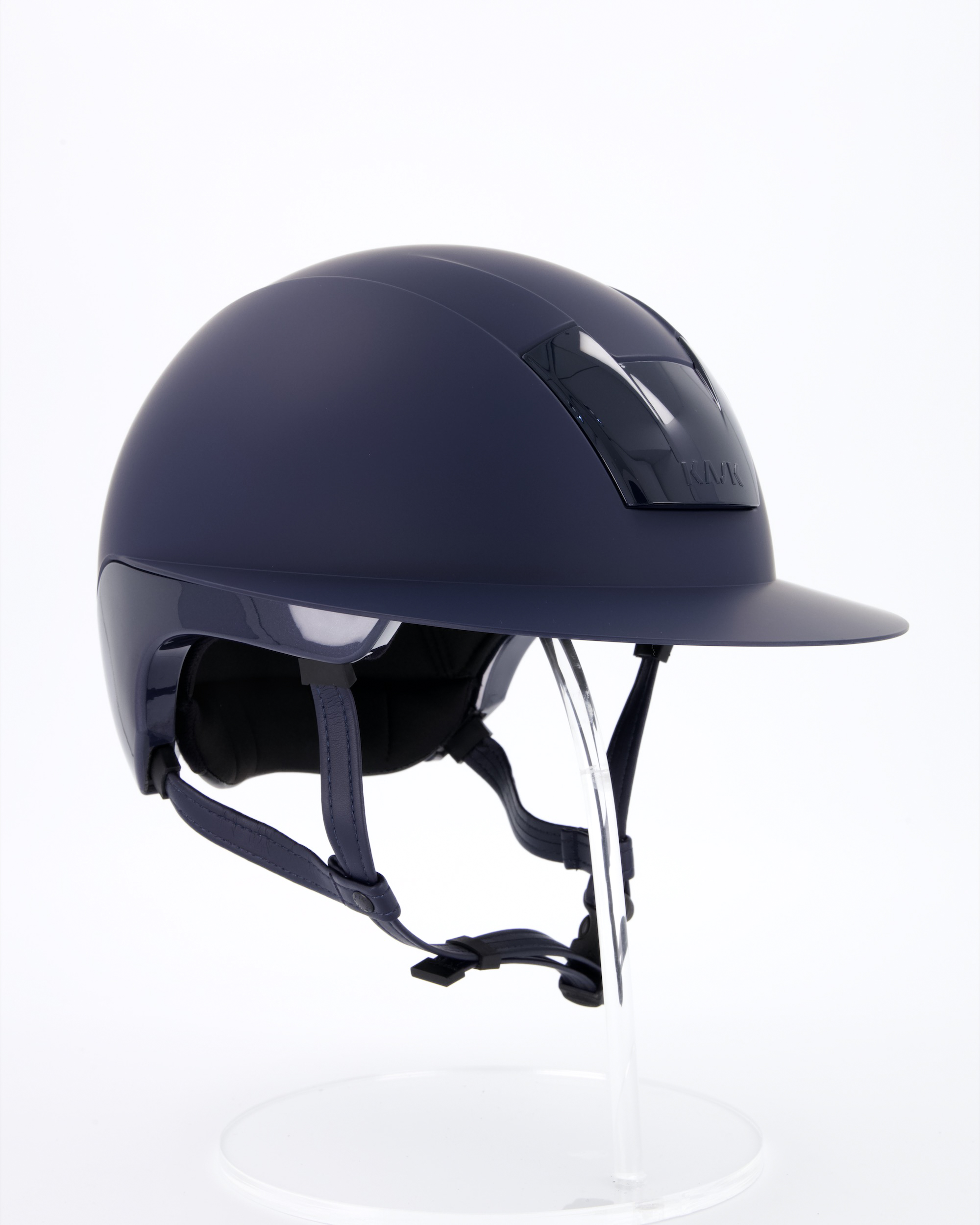
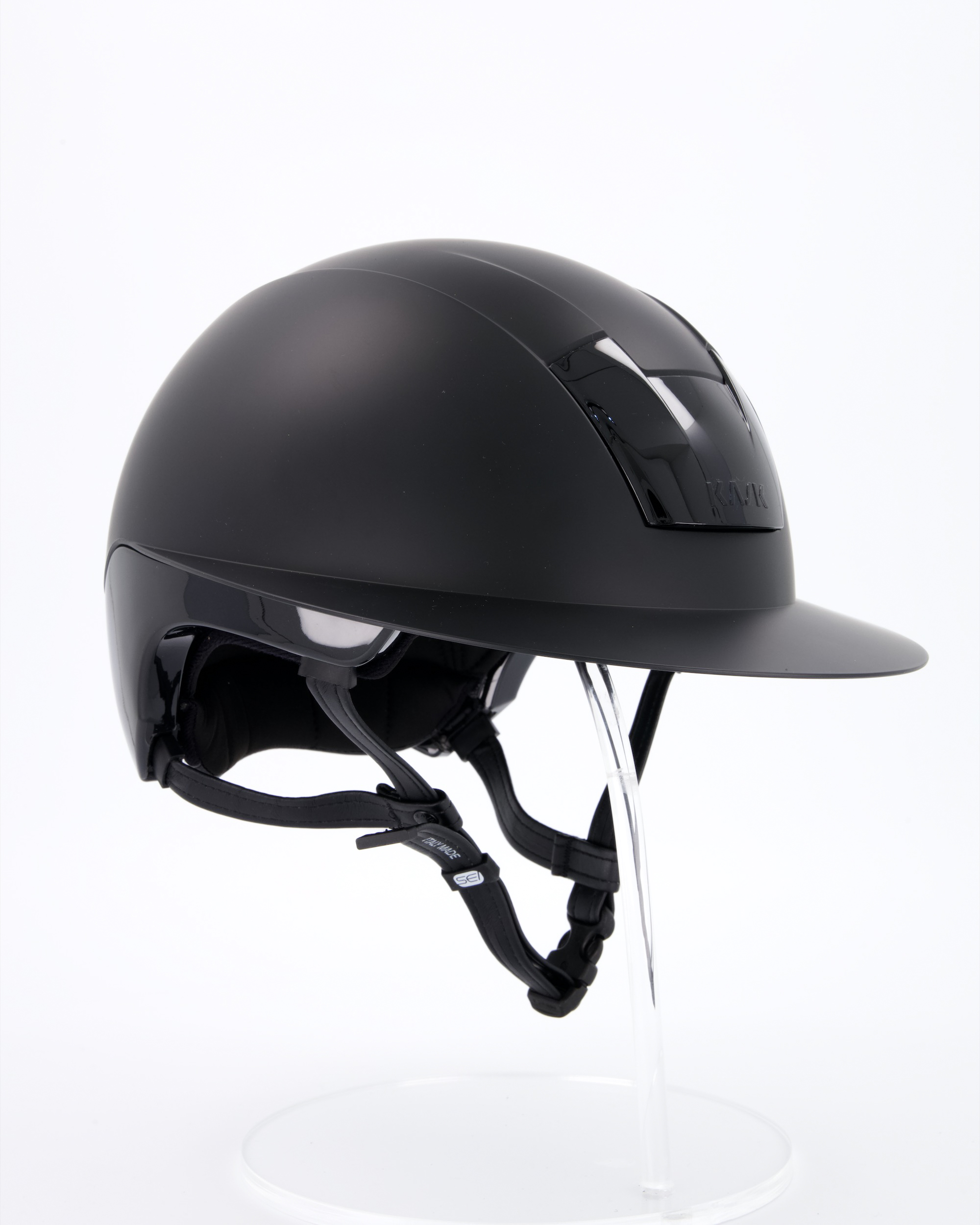


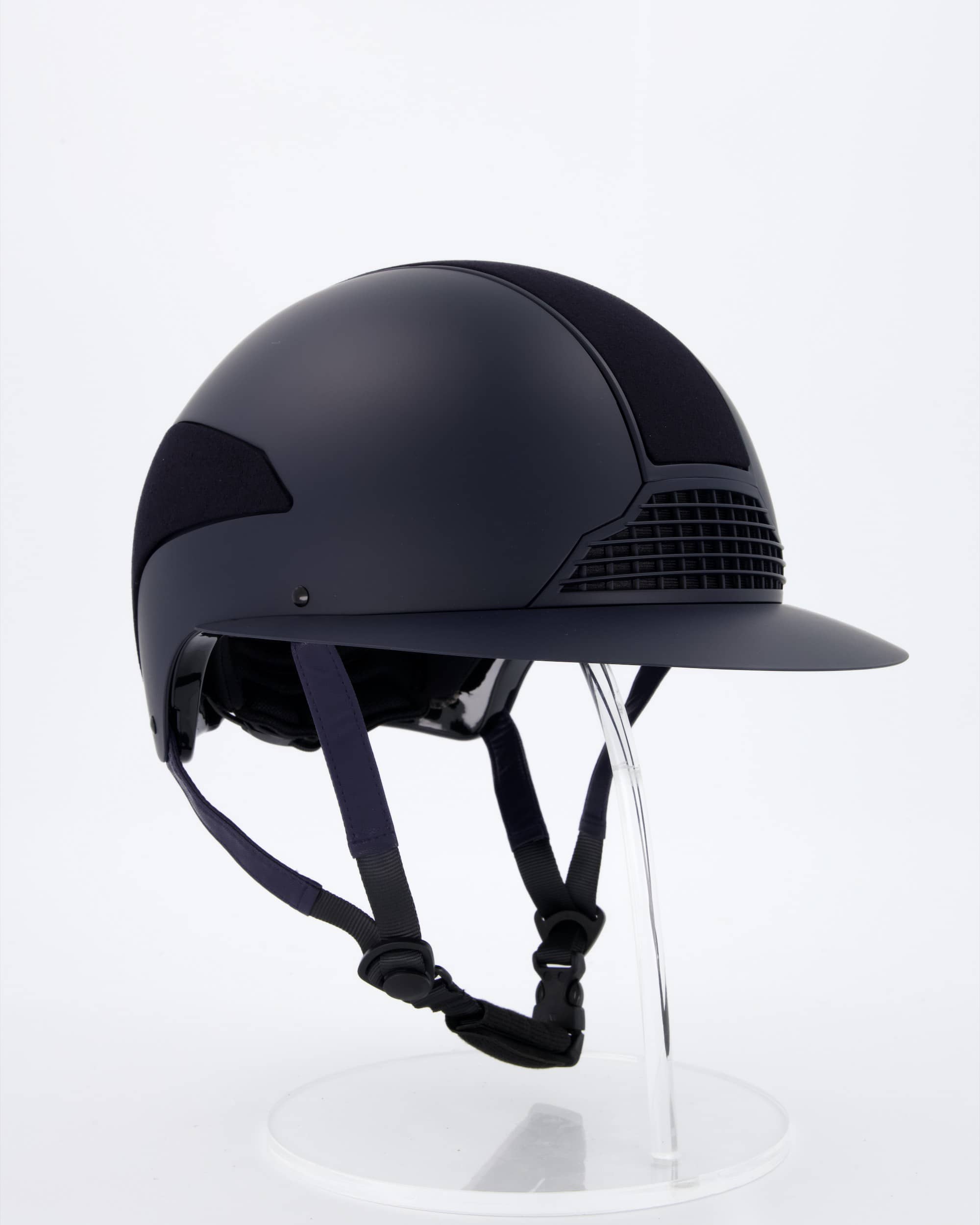


How is a riding helmet constructed?
A riding helmet consists of a hard outer shell and a shock-absorbing inner shell, usually made of EPS. On top of that sits an inlay that absorbs sweat and, on many models, is removable and washable. In the in-mould construction, the outer and inner shells are firmly bonded together; in hard-shell helmets they are made separately, which leaves more room for ventilation channels. Hybrid helmets combine both. How well a helmet protects depends above all on how it fits. That is why the correct size matters more than the construction.
How to measure for a riding helmet and find the right size
The easiest way is to try it on. The helmet should not slip down when you shake or nod your head firmly. It should also not pinch anywhere.
Simple measuring for an online purchase:
- Take a tape measure and place it around your head at the widest point.
- Position: just above the ears and at the mid-forehead.
- Compare the reading with the manufacturer's size chart.
Size chart: head circumference to helmet size
Measure the head circumference with a tape measure about a finger's width above the eyebrows and ears at the widest point. For most brands the centimetre figure is the helmet size; Samshield uses S, M and L.
| Head circumference | Helmet size (Kep, Kask, BR, QHP and others) | Samshield |
|---|---|---|
| 48 to 51 cm | 48 to 51 (children) | – |
| 52 to 55 cm | 52 to 55 | S |
| 55 to 58 cm | 55 to 58 | M |
| 57 to 61 cm | 57 to 61 | L |
| 62 to 64 cm | 62 to 64 | – |
If you are between two sizes, choose the smaller one on helmets with dial adjustment, and on Samshield the larger one with thicker inner padding. Which sizes a model has is stated on the product page.
Buy a riding helmet: brands, price ranges and features
Choosing is easier if you first clarify three questions: which brand suits your head shape, which price range and which finish. Riding helmets fit differently depending on the manufacturer, so when you change brand it is worth trying the helmet on or using our video consultation.
Riding helmet brands at Lepona
| Brand | Models | from | to |
|---|---|---|---|
| Samshield riding helmets | 99 | 399,00 € | 1.651,50 € |
| Kep riding helmets | 73 | 169,00 € | 1.780,00 € |
| Equestro riding helmets | 29 | 104,90 € | 283,80 € |
| BR riding helmets | 23 | 99,95 € | 249,95 € |
| QHP riding helmets | 17 | 99,95 € | 149,95 € |
| Swing riding helmets | 8 | 36,95 € | 129,95 € |
| Kask riding helmets | 5 | 370,00 € | 599,00 € |
| Premiere riding helmets | 5 | 54,95 € | 79,95 € |
| LeMieux riding helmets | 3 | 199,95 € | 289,95 € |
| Imperial Riding riding helmets | 2 | 189,95 € | 199,95 € |
| HV Polo riding helmet | 1 | 299,95 € | 299,95 € |
| ABUS PIKEUR | 1 | 169,96 € | 169,96 € |
Figures are updated regularly; prices include VAT.
Price ranges
- Up to about 150 euros: Entry-level and children's helmets from BR, QHP, Swing and Premiere. Equestro from around 105 euros. Fully compliant with the relevant standard, usually with ventilation, dial adjustment and sizes 48 to 62 for the whole family.
- 150 to 350 euros: Kask and the Kep base models: lightweight shells, high-quality interiors, understated designs for training and competition.
- From 350 euros: Samshield and the Kep premium lines, which can be put together individually in the configurator, with Alcantara, Swarovski trim or lacquer. The classic among competition riders.
Safety and standards
For competitions under the LPO, the FN requires a riding helmet to the European standard EN 1384 and recommends the latest version. Helmets made to the transitional standard VG1 01.040 are also admitted. The helmet is compulsory in all tests, including in the warm-up arena and at the prize-giving. At international competitions (FEI), in addition to EN 1384 and VG1, the British PAS 015 and the American ASTM F1163, among others, are also recognised. Which standard your helmet meets is stated on the label inside the helmet. Regardless of the standard: a helmet only protects if it fits correctly and the chin strap is fastened. After a fall onto the head you should replace it, even if nothing is visible on the outside.
Matt or glossy, black or coloured
Matt helmets are resistant to fingerprints and scratches and look sporty; glossy helmets shine in the competition lights and are easier to wipe clean. Straight to the selection: Glossy riding helmets, Matt riding helmets. Among the colours, black dominates, followed by blue and brown; for dressage tests, dark, understated helmets are the safe choice, while in jumping and at leisure anything is allowed. Filtered by colour: Blue riding helmet, Brown riding helmet, Pink riding helmet, Rose riding helmet, Red riding helmet, Black riding helmet, Taupe riding helmet, White riding helmet.
Riding helmet accessories for winter and as a gift
For cold days there are ear warmers for individual helmet models and helmet covers, including with a Christmas motif. Replacement inlays, helmet bags and visors are also under riding helmet accessories. If you want to give a riding helmet as a gift, you should know the head circumference first, because a helmet must fit precisely. Smaller gift ideas are under gifts for riders, and warm hats and headbands for the stable under hats, headbands and scarves.
For women, men and children
Apart from a few lines, riding helmets are unisex; what matters is the head circumference. Specifically for women there is the Samshield Miss Shield with a narrower shell and designs with glitter, Alcantara or lacquer. Children's helmets, for example the Kep Keppy, start at size 48 and grow with the child thanks to the dial adjuster.
Measure the head circumference a finger's width above the eyebrows and ears. For Kep, Kask, BR and QHP the centimetre figure is the helmet size; for Samshield S is 52 to 55 cm, M is 55 to 58 cm and L is 57 to 61 cm. The helmet must not slip when you shake your head and must not pinch anywhere.
For competitions under the LPO, a riding helmet to the European standard EN 1384 is required. The latest version is recommended; helmets to the transitional standard VG1 01.040 are also admitted. Internationally, the FEI also recognises, among others, PAS 015 and ASTM F1163. Which standard a helmet meets is stated on the label inside the helmet.
Immediately after any fall onto the head, even without visible damage, because the inner shell dissipates energy through deformation. Without a fall, manufacturers recommend replacement after about five years because plastic and padding age. A drop from a cupboard or out of the car also counts as a fall.
Matt is less sensitive to fingerprints and fine scratches and looks sporty; glossy shines and is easier to wipe clean. The finish makes no difference to protection – it is a matter of taste.
Most riding helmets are unisex and are chosen by head circumference. Specifically for women there is the Samshield Miss Shield with a narrower shell and designs with glitter, Alcantara or lacquer. Kep and Kask also offer understated to glittery versions that are popular with female riders.
We advise against it. You do not know whether the helmet has already had a fall, and the inner shell can have damage that is invisible from the outside. New entry-level helmets are available from BR, QHP, Swing or Premiere, for example.
For children, too, the decisive factor is the head circumference. Children's helmets start at size 48; many can be adjusted with a dial and thus grow with the child for a while. The range includes, for example, the Kep Keppy, the Premiere Petite and the ABUS PIKEUR AirDuo. Because children grow quickly, you should check the fit regularly.