
For your horse
Basic equipment for horses
Have you bought a horse? Then first of all, congratulations! Buying your own horse is a big step and there are many details involved. If your horse doesn't have any basic equipment from the previous owner, you will need to purchase a few things.
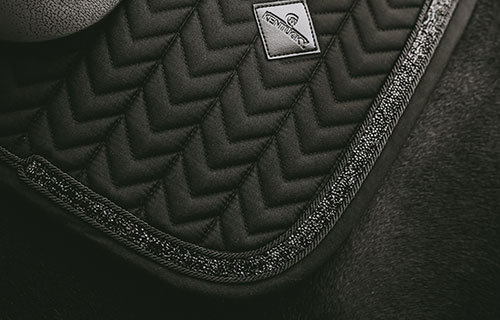
Protection for horse & saddle
Saddle pads
The original reason for the saddle pad is to protect the saddle from dirt and sweat. A good saddle pad absorbs sweat and transports it away. Today, however, the saddle pad is also a fashion statement, which is combined with matching coloured bandages or gaiters and fly ears.
Of course, it can also be a saddlecloth. However, saddle pads are almost exclusively purchased. The difference lies in the shape. While the saddle cloth follows the shape of the saddle and is barely visible under the saddle, the saddle pad is a little more eye-catching. Saddle pads are also available in all kinds of colours and designs
- Saddle pads are available in dressage, VS, cob and pony sizes
- VS belongs under the jumping saddle or the eventing saddle
- COB or VB is intended for thoroughbreds or more delicate horses
- White saddle pads are used for dressage competitions
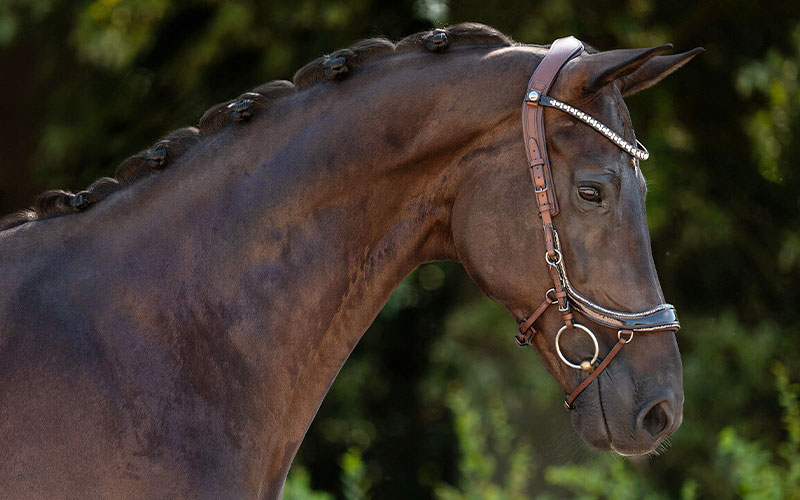
With or without bit
Snaffles
Regardless of whether you want to ride with a bit or bitless, the bridle is part of the basic equipment. Either the previous owner can tell you which bridle is suitable for your horse or you can observe your horse's reactions. As a rule, most horses do well with an English or Swedish-combined snaffle.


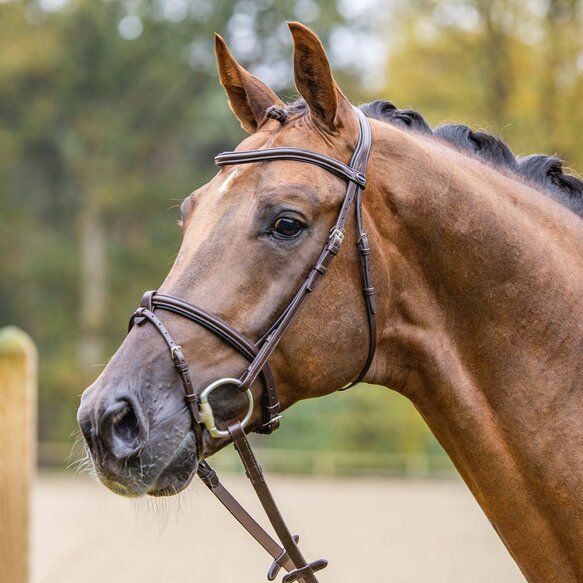
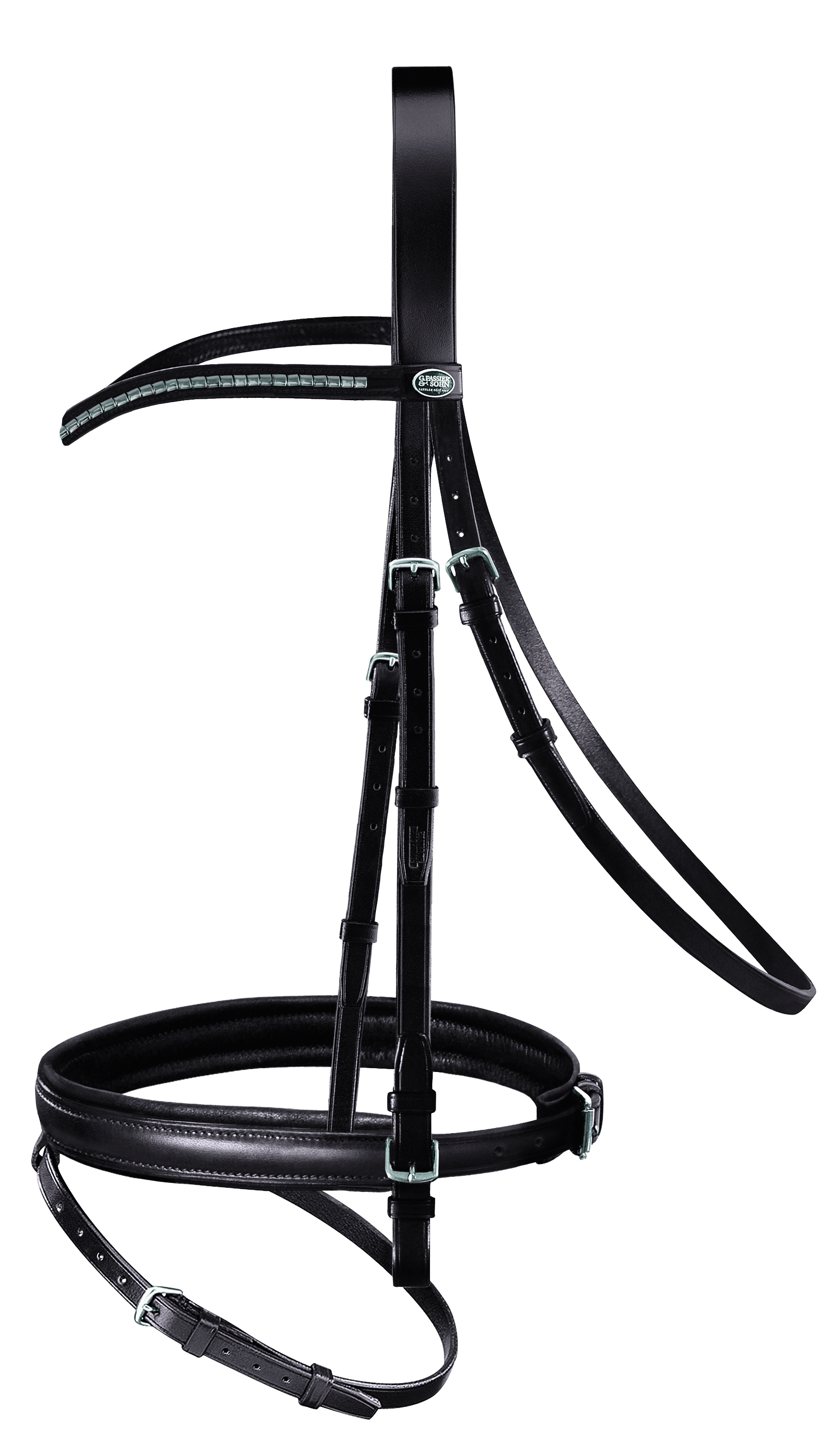

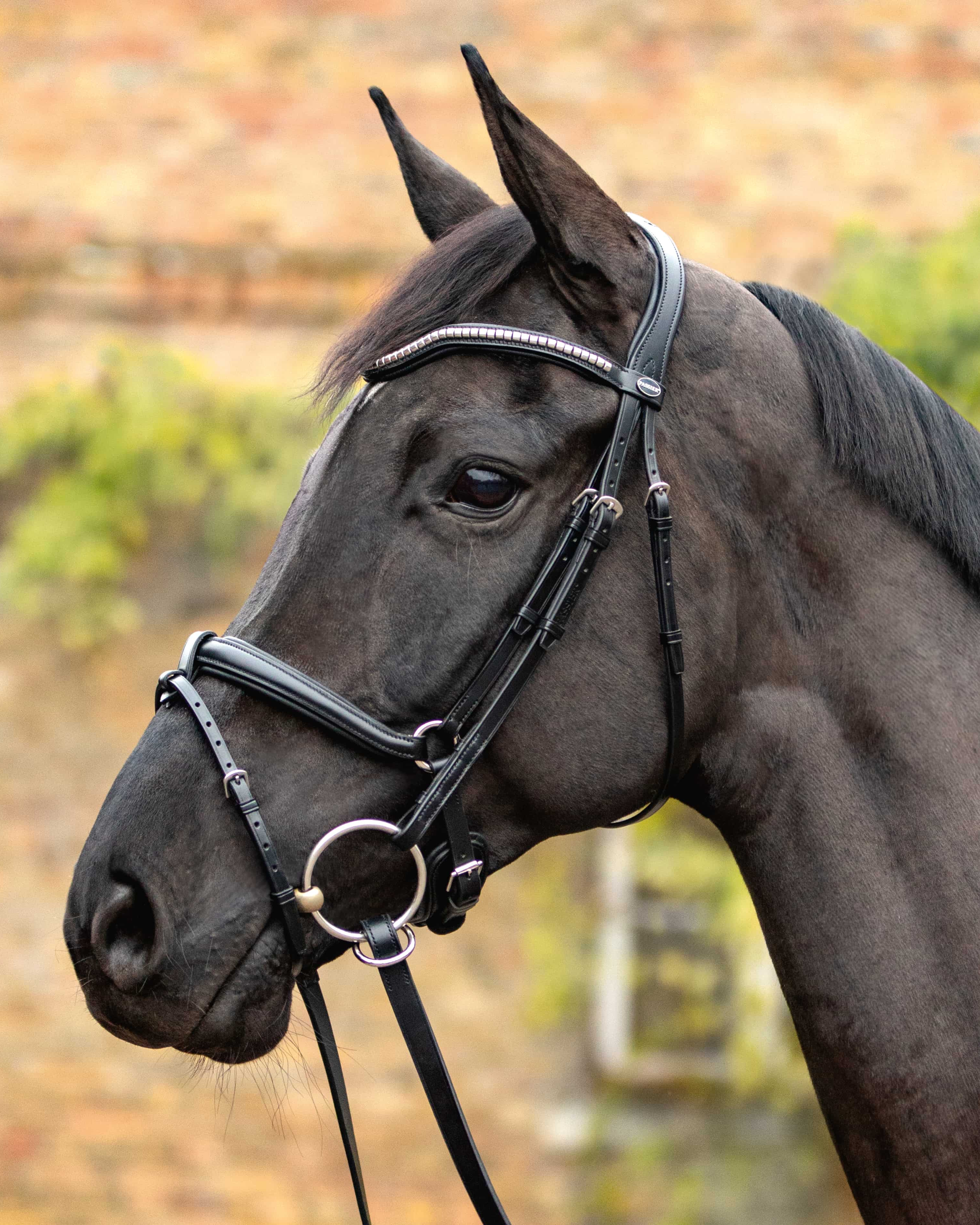


The right size is particularly important
Bits
Basically, you can ride the "normal riding horse" with a single or double broken water snaffle. Of course, you may have chosen a specialist who doesn't like this bit at all. Ask the previous owner or your riding instructor which bit they recommend. The vet can also take a practised look at the horse's mouth and help you make the right choice.
Further information: Basic information about bits and how to measure the right size.
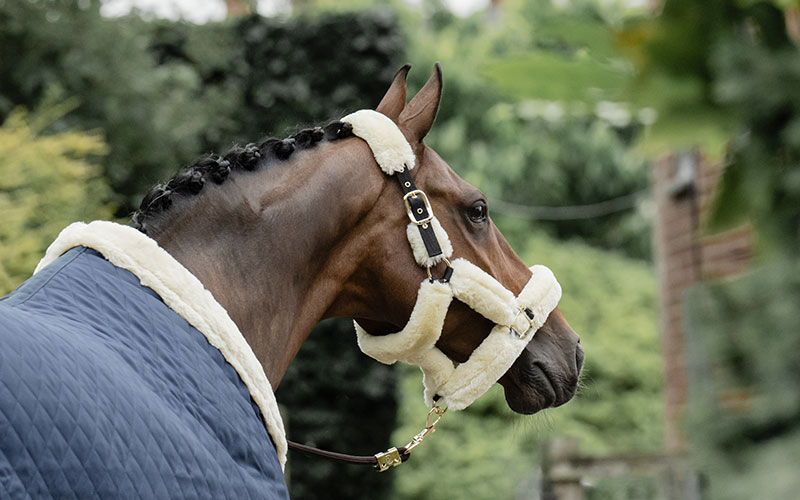
Safely guided
Halter & lead ropes
At least one halter with rope is necessary to lead your horse. It is better if you have a spare in case your horse loses its halter in the pasture.
Halters are available in leather, nylon and also with synthetic fur. There are also halters for different applications, although you can actually use any halter for anything. However, the individual types offer some advantages:
Pasture halter: usually made of tear-resistant nylon and rather simple, inexpensive, sometimes with a predetermined breaking point or Velcro, which prevents it from hanging up
Foal halter: in very small sizes with many adjustment options
Stable halter / transport halter: often with lambskin, faux fur, with glitter or made of leather, the halter "for good" or for transport
Knotted halter: for ground work, enables fine communication with the horse, NOT SUITABLE FOR TETHERING!
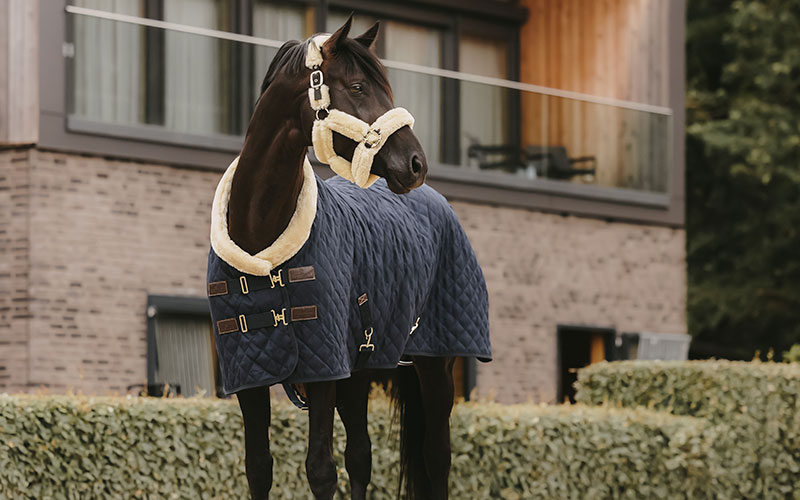
Are blankets really needed?
Horse rugs
Sweat rugs, rain and winter rugs and fly rugs are a much-discussed topic in the equestrian world. Do you really need them? That depends on the condition and sensitivity of your horse.
A sweat rug and a rain rug are definitely recommended.
The sweat rug should always be part of the basic equipment for horses.
- helps your horse to sweat off and dry faster
- also useful on rainy days and when travelling by trailer
Pasture and rain rugs
- for horses that do not cope well with cold or wet days or are clipped
- for older horses that quickly get a cold back
- the general comfort temperature of healthy, unshorn horses is between 5 and 15 °C
- if the horse cannot move around much (e.g. in the box), it makes sense to cover it up
Fly rugs
- from summer to early autumn
- Protection against annoying flies, horse flies, biting midges and mosquitoes
- for horses that react to insect bites or suffer from eczema
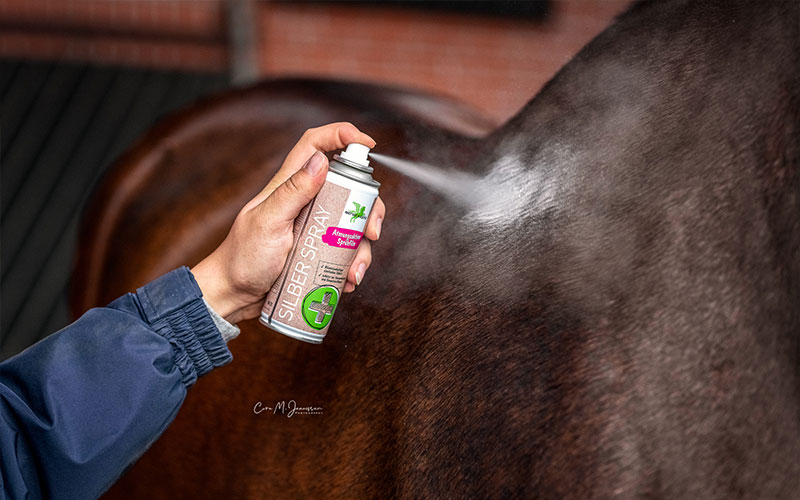
Indispensable for small quirks
Stable pharmacy
Where great forces prevail, there are sometimes scratches and scrapes. Horses are not quite so squeamish when it comes to settling the hierarchy. Therefore, you may have to treat minor wounds.
You should always have this with you: Wound ointment, disinfectant spray, silver spray, bandages and cooling gel, as well as a clinical thermometer.
By the way: if you want to find out more about the stable first-aid kit and PAT values, take a look at our article Stable first-aid kit - first aid for horses.

Everything in the box
Cleaning kit
Of course, you can't ride your horse if it's dirty. Grooming is also a way of strengthening the bond with your horse. You also have the opportunity to check for any scratches or other injuries while grooming.
What is included in the equipment?
- Grooming box or grooming bag to store the brushes
- Plastic or rubber brush
- grooming brush to smooth the coat and pick up dirt
- Root brush to remove coarse dirt from legs or hooves
- Tail and mane brush for detangling
- Hoof scraper to remove dirt and stones
- Hoof brush for care products such as hoof oil or balm
Of course, this is only the absolutely necessary cleaning kit. Sponges, washing gloves, sweat knives and damp baby wipes, as well as a small pair of scissors, can also be found in most cleaning kits.

For horse and equipment
Care products
Necessary care products include hoof oil or balm, insect repellent spray and detergent for tails and coats.
You should also always have leather cleaner and leather care products to hand so that your equipment lasts a long time.
Other helpful products
Leg protection
- You should put gaiters and fetlock boots on show jumpers to protect the horse's legs from knocks, grazes and kicks
- Bandages for dressage horses that step over very far or graze during lateral movements
- Hoof boots protect the coronet band and prevent shoes from being kicked off
Equipment for lunging
- Lunge, lunging belt and auxiliary reins
- for controlled movement of the horse from the ground
- Lunging whip if necessary
Saddle girths
- Choose shape and length to suit the horse
- should be a hand's breadth behind the foreleg