
Against the cold in winter
Riding in winter - 6 tips on how to get through the cold season well
Winter can be a real challenge for riders and horses: low temperatures, icy winds and muddy ground are part of everyday life. But with the right preparation, winter in the stable can be a pleasant time. Here are 6 tips to keep you warm and motivated through the cold months.

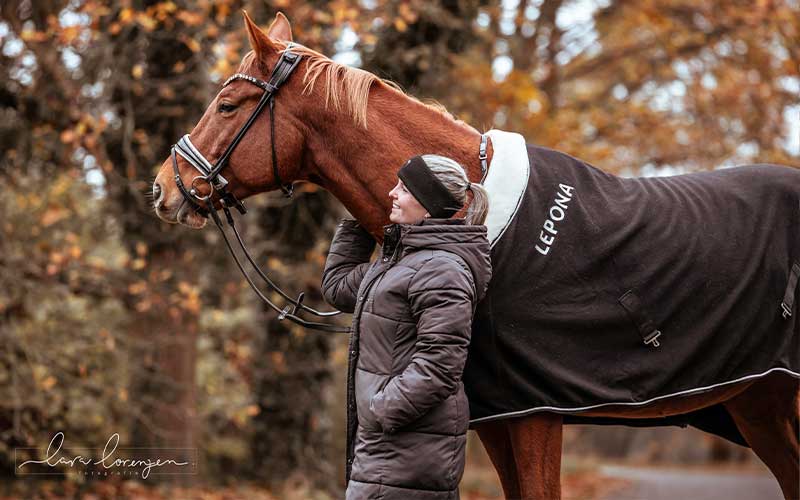
1. the right winter rug for your horse
Horses are robust, but a suitable winter rug is essential in winter to protect your horse from the wet and cold. There are different types of winter rugs: outdoor rugs for horses that spend a lot of time out in the pasture, and stable rugs for when your horse is in the stable.
Make sure that the rug is breathable and fits well so that your horse is protected from the weather but does not sweat.
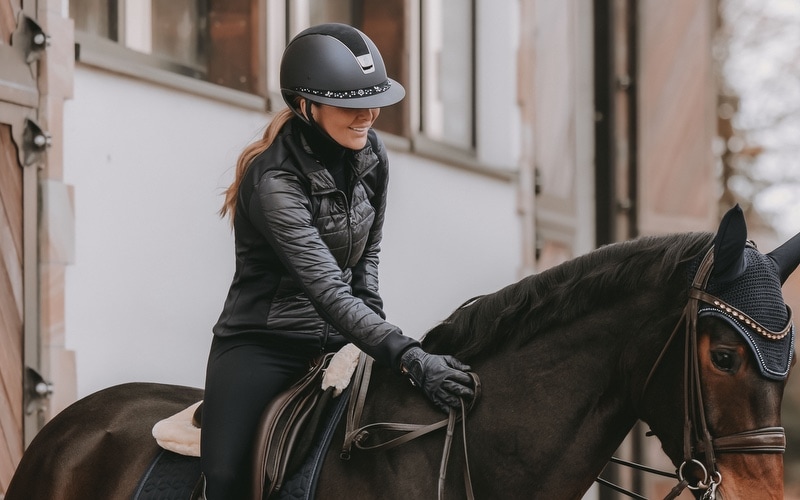
Riding jackets for the winter
Winter riding jackets should be wind and waterproof and at the same time breathable so that you don't sweat even when moving. Make sure you have a hood and fleece or down filling to keep you warm. Reflective elements also ensure safety when riding in the dark.
Riding jackets for the winter
Winter riding jackets should be wind and waterproof and at the same time breathable so that you don't sweat even when moving. Make sure you have a hood and fleece or down filling to keep you warm. Reflective elements also ensure safety when riding in the dark.
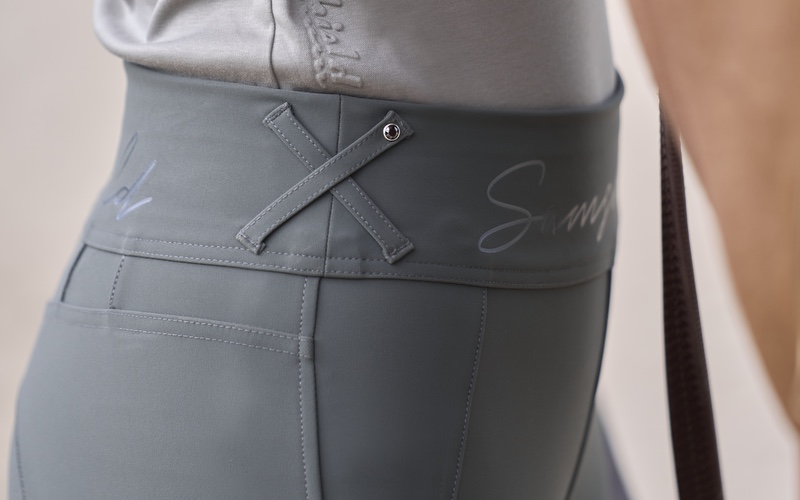
Riding breeches and riding leggings for cold days
Winter breeches or lined riding leggings are the best choice for low temperatures. Softshell or fleece linings keep the legs warm, while the breathable material wicks moisture away to the outside. A full seat also ensures optimum grip in the saddle.
Hats, headbands and scarves
The head loses heat the fastest, which is why hats, headbands and scarves are indispensable in the stable. Headbands keep the ears warm while fitting under the helmet. Wool or fleece hats provide a cosy, warm feeling.
Warm hands with riding gloves
Special winter riding gloves are important so that you can maintain a good feel for the reins even in winter. These gloves are lined without restricting the mobility of the fingers and offer a non-slip surface for optimum grip.
Warm feet - Lined riding boots and socks
Lined riding boots or winter ankle boots with a thermal function protect against the cold and provide a secure grip in the stirrups. Combined with thermal socks or knee socks, your feet will stay warm and dry.
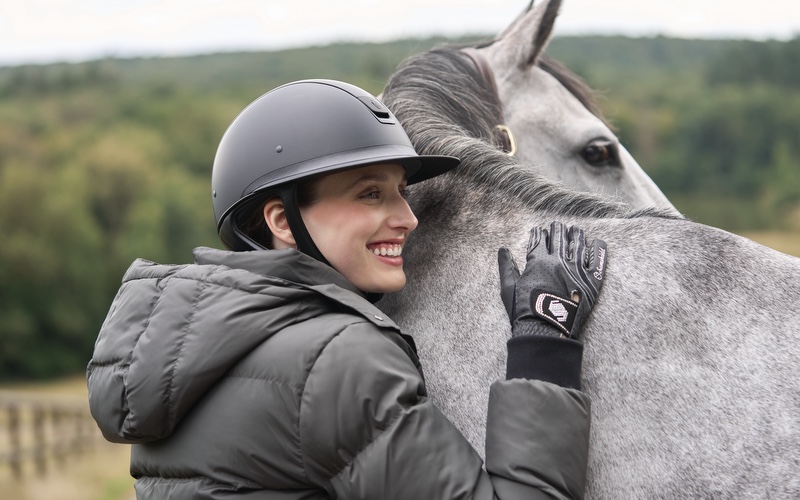
3. general tips for staying warm in the barn
- Onion look: Wear several layers to stay warm. Start with functional underwear that wicks away moisture and build on this with fleece jumpers and a weatherproof jacket.
- Hot drinks: A thermal mug of tea or coffee is ideal to warm you up from the inside while working in the stable.
- Exercise keeps you warm: Keep moving to avoid getting cold. A short walk with your horse or stable work such as mucking out boxes will help you stay warm.
4. warm-up exercises before riding
Especially in winter, it is important to warm up yourself and your horse before riding. Cold muscles and joints increase the risk of injury, so a few simple exercises can help:
Warm-up exercises for riders
- Stretch & mobilise: Circle your shoulders, do light stretching exercises for legs and arms.
- Light running: A few minutes of light running or jumping before riding will get your circulation going.
Warm-up exercises for the horse
- Walk work: Start the work with a longer phase at a walk to slowly warm up your horse's joints.
- Work in hand or lungeing: Before riding, you can also work or lunge your horse in hand for a few minutes to prepare the muscles for the strain.
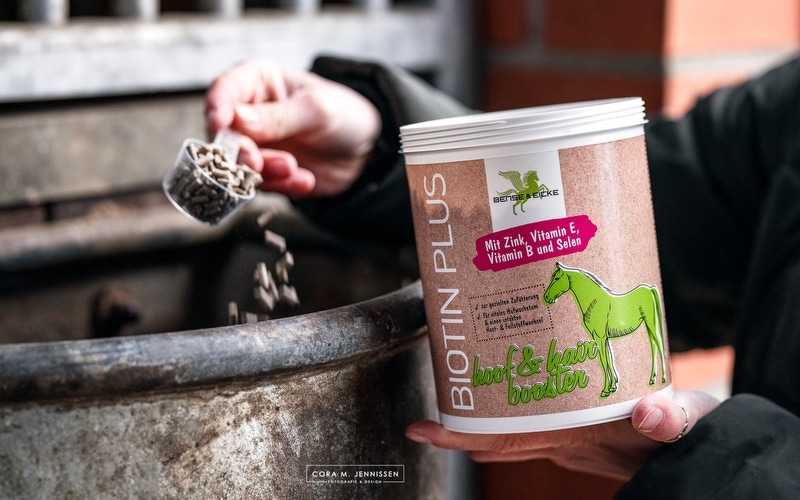
6. healthy nutrition in winter
In winter, your horse needs more energy to keep warm. High-quality hay should form the basis of the diet. If necessary, supplement the feed ration with some mash or additional minerals to provide your horse with all the important nutrients.