

Secure footing in the saddle
Stirrups & stirrup leathers
Here you will find stirrups and stirrup leathers for dressage, jumping, cross-country and leisure riding. They include safety stirrups with various release systems, jointed stirrups, children's stirrups, leathers made of leather and nylon, as well as treads, covers and spare parts. Filter by product type, size, tread width, colour and brand.













Choosing the right stirrups and stirrup leathers
Stirrups give your foot support and help you sit balanced in the saddle. Which stirrup suits you depends on your discipline, your footwear and your preferences. The most important factors are safety, size, material and a well-adjusted leather length.
Safety stirrups
Safety stirrups are designed to release your foot more easily in a fall so that you don't get caught in the stirrup. There are different systems:
- Rubber ring or elastic band: The classic Fillis-style stirrup has a rubber ring on the outside instead of a fixed stirrup arm. The ring comes off under tension and your foot can slide out.
- Hinge or folding mechanism: One stirrup arm opens outwards under pressure and then clicks back into place, for example on aluminium models.
- Elastic or open arm: An arm made of flexible plastic or a special stirrup shape is designed to make it easier for the foot to come free.
No safety stirrup can prevent an accident. Always ride in sturdy footwear with a heel and check rubber rings and mechanisms regularly for wear. How a model's system works and how to fit it is explained in the product description. You'll find all models with a safety system, including for children, together under Safety stirrups.
Jointed stirrups
Jointed stirrups have two or four joints between the stirrup arm and the tread. They absorb movement and are designed to take strain off knees and hocks. According to the manufacturer, some models also make it easier for the foot to come free; stirrups with their own release system can be found under safety stirrups. Many jointed stirrups are marked left and right and must be hung on the correct side.
Material
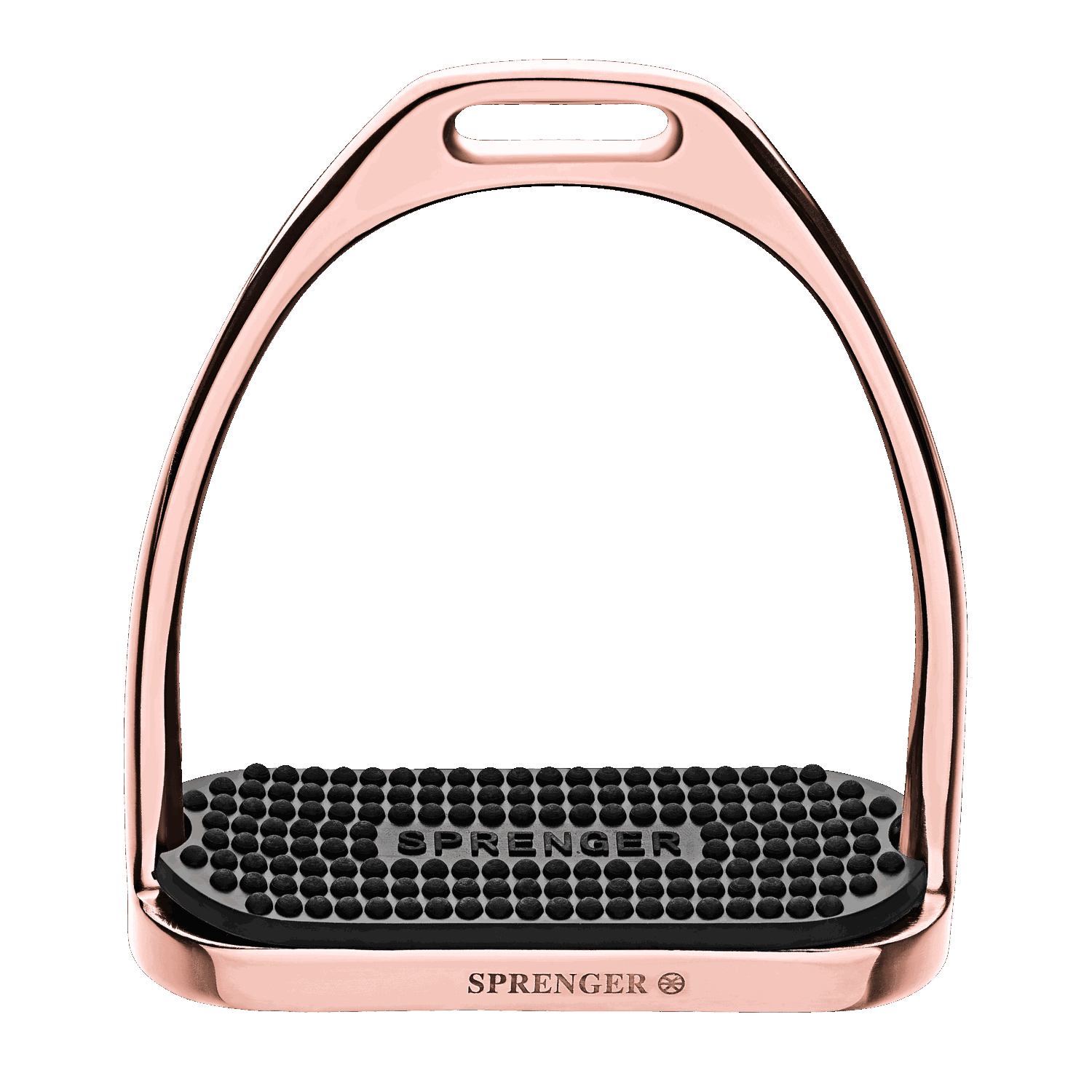
- Stainless steel: The classic stirrup is heavy, robust and hangs steadily. This makes it easier to find again if you lose it.
- Aluminium: Aluminium is lighter than steel and is often combined with wide, grippy treads made of stainless steel or with spikes.
- Plastic and composites: These stirrups are very light, often colourful and have a little give. They are well suited to beginners and children.
Size and tread width
The size of a stirrup refers to the inner width of the tread, in our shop usually 10, 11, 12 or 13 cm. There should be a little room to the right and left of your boot. Manufacturers state, for example, at least 0.5 cm per side. If the stirrup is too narrow, your foot can get stuck. If it is too wide, your foot can slip through. Measure your riding boot at the widest point of the sole, including your winter boots.
Stirrup leathers: length and material
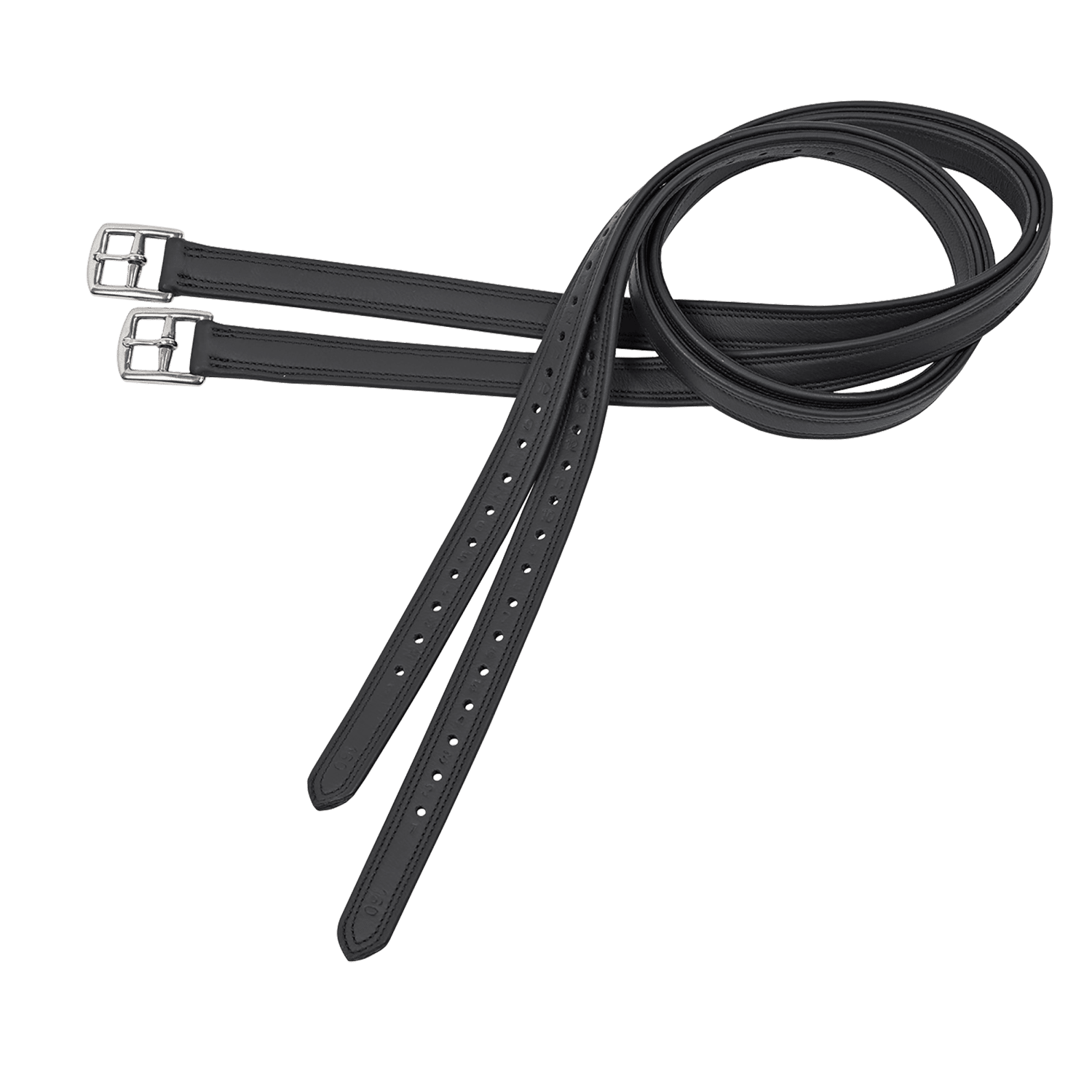
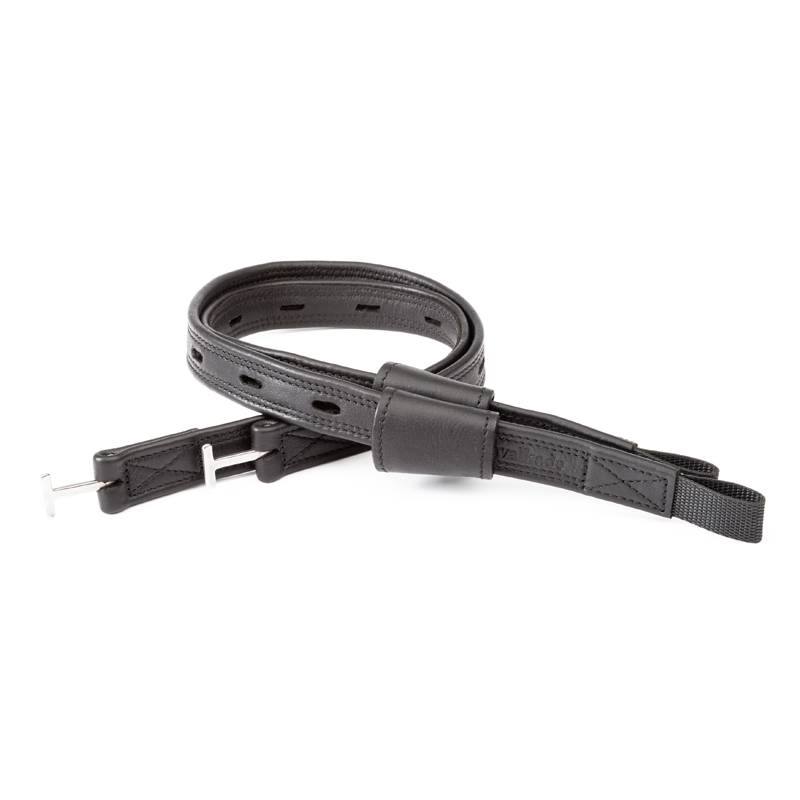
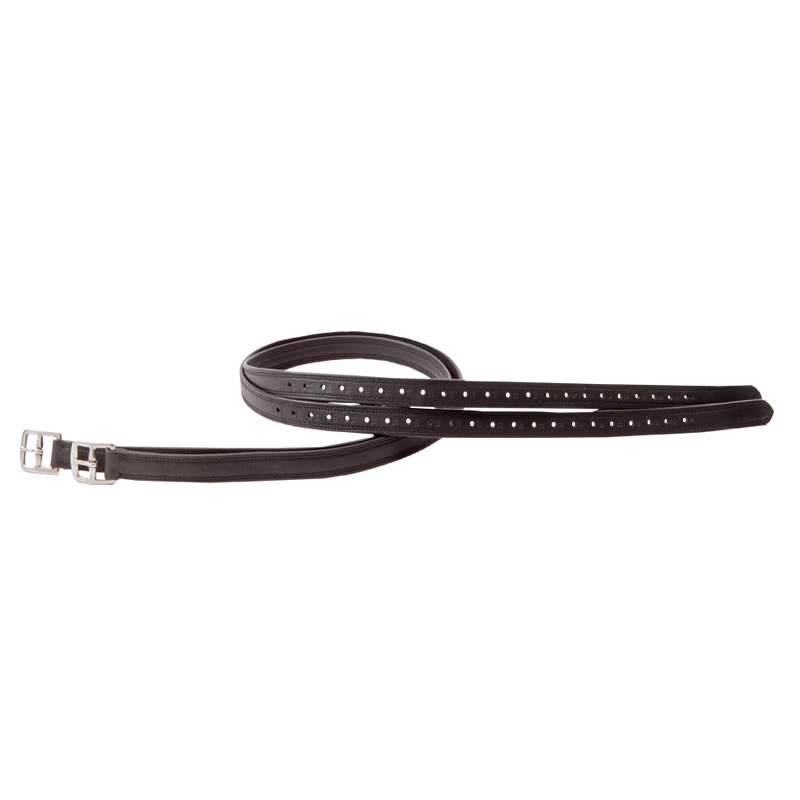
Classic stirrup leathers are doubled and in our shop are usually between 120 and 160 cm long. Mono leathers are hung single, so they have much shorter length specifications and lie flatter under the leg. Leather stirrup leathers are classic; those with a nylon core or made of nylon stretch less. Shorter leathers are available for children. A common rule of thumb for adjusting them: place your fingertips on the stirrup bar of the saddle. The bottom of the stirrup should then reach roughly to your armpit. For jumping you ride shorter, for dressage longer.
For children
Children need smaller stirrups with a 10 or 11 cm tread width, suitable leathers and particularly safe footwear. There are children's safety stirrups and, as an accessory, a stirrup cage or slip guard designed to stop the foot slipping forwards through the stirrup.
Treads, covers and spare parts
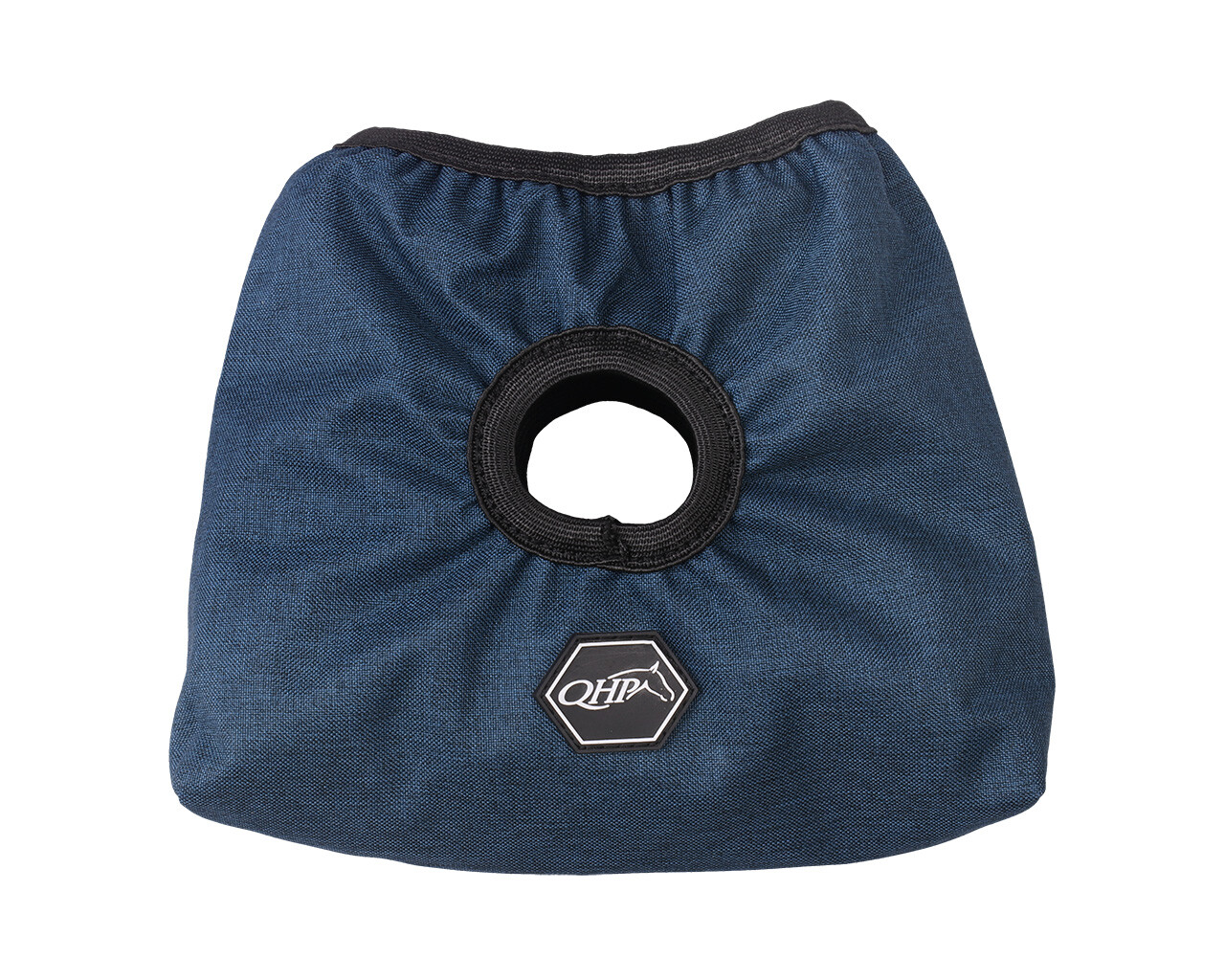
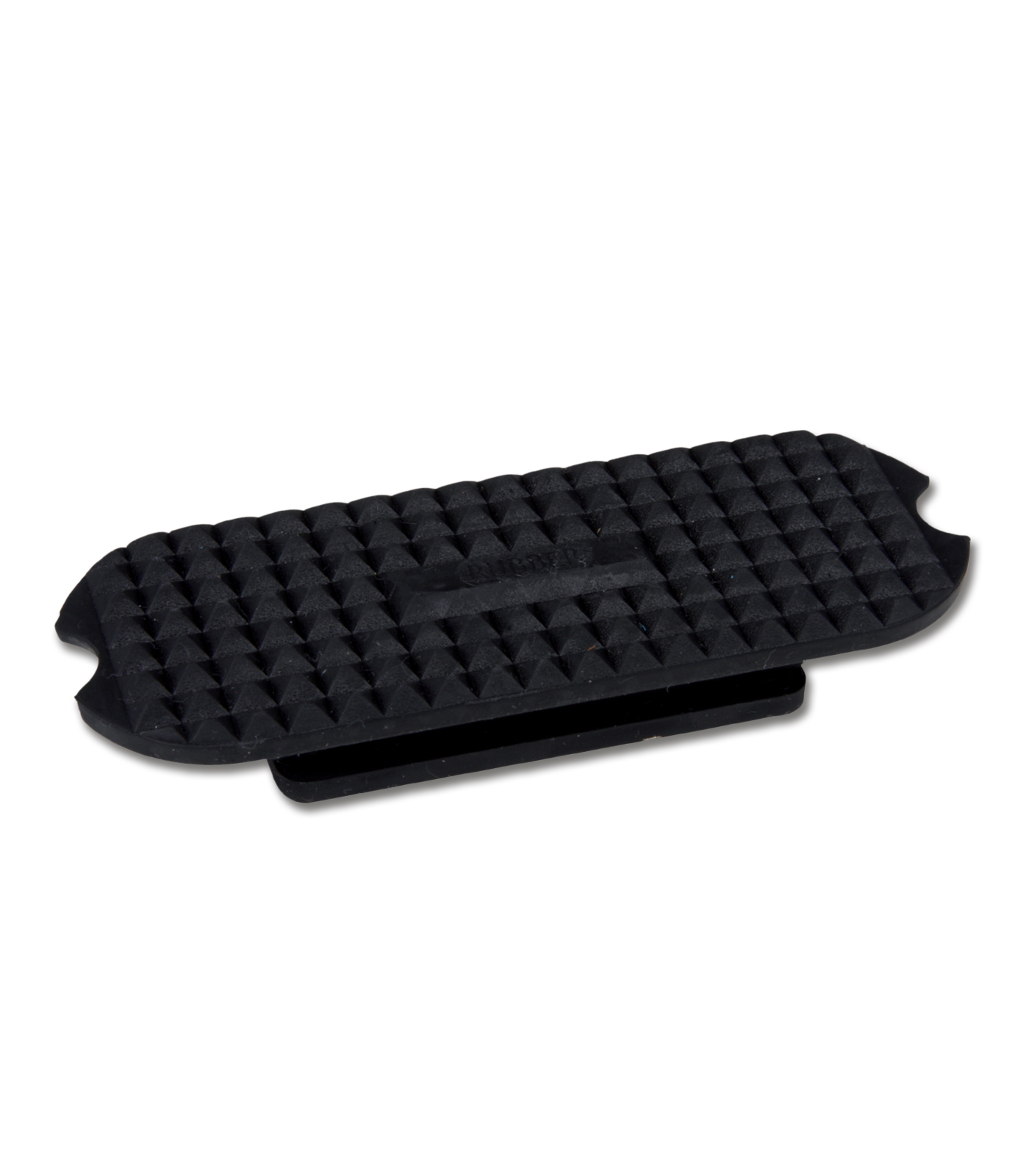
Rubber treads provide grip and can be replaced on many models. Stirrup covers made of fleece, jersey or neoprene protect saddle and stirrups during transport and in the saddle cupboard. Spare rubber rings and leather loops are available for safety stirrups.
Brands and more saddle accessories
Here you'll find stirrups and leathers from brands including Sprenger, Waldhausen, Kavalkade, Freejump, LeMieux, Busse, QHP, Passier, BR, Acavallo, Tech Stirrups, Samshield and Veredus. To go with them, there are girths, saddle pads and half pads in our full range of saddle accessories. Tips for staying safer out hacking can be found in our guide Safe hacking.
Advice
Not sure about the size or system? We're happy to advise you by phone, WhatsApp or video.
A safety stirrup is designed to release the foot more easily in a fall. Depending on the model, this is done by a rubber ring, a side that opens or a flexible side. No stirrup can prevent an accident. So always ride in sturdy footwear with a heel and check the mechanism regularly.
That depends on your leg length, the saddle and the discipline. Classic doubled leathers for adults are usually 120 to 160 cm long. Mono leathers have shorter stated lengths because they are hung single. As a starting point for adjusting them: fingertips on the stirrup bar, the base of the stirrup should reach roughly to your armpit.
Stainless steel is heavy and hangs steadily, so it is easier to find a lost stirrup again. Aluminium is lighter and often has a wide, grippy tread. Plastic is the lightest and has a little give. Which material suits you depends on your discipline and your preferences.
The size indicates the inside width of the tread, usually 10 to 13 cm. There should be some room to the right and left of your boot. Manufacturers state, for example, at least 0.5 cm per side. Measure your boot at the widest point of the sole.
Children need smaller stirrups with a 10 or 11 cm tread width, short children's stirrup leathers and riding shoes with a heel. Children's safety stirrups or a toe cage, which is designed to stop the foot slipping through, can provide additional safety.
A jointed stirrup has two or four joints between the side and the tread. They absorb movement and are designed to relieve the knees and joints. Many models are marked left and right and must be hung on the correct side.