
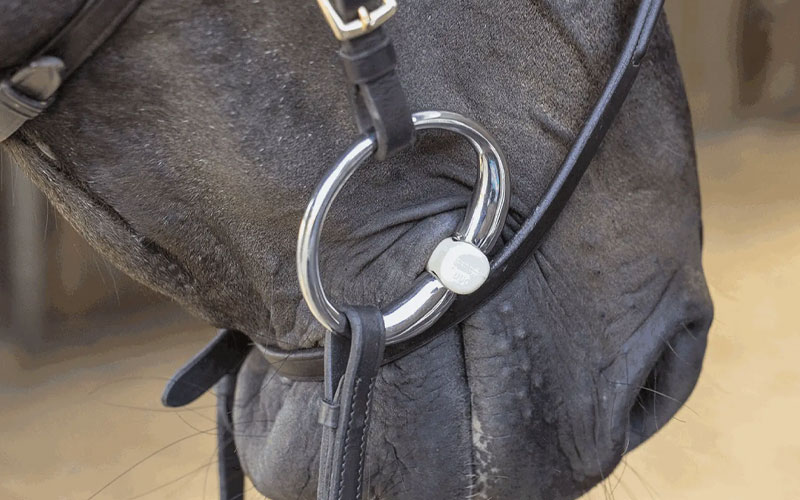
Bar bits for horses
Bar bits distribute the pressure evenly over the entire tongue and offer a smooth action. In contrast to single or double jointed bits, which exert more pressure on the edges of the tongue, the pressure remains centred and even. As bar bits offer little room for manoeuvre and transmit any rein aids directly, they are only suitable for experienced riders with a steady, independent hand. If used incorrectly, they can quickly become uncomfortable for the horse, which is why they are not recommended in unsure or unsteady hands.
Filter products
- Novelties
- For you
- For your horse
- Riding helmets
-
Collections
- Eskadron
- Pikeur
- Samshield
- ELT Comfort Heat
- Cavalcade Cortica
- Waldhausen Health + Care
- QHP Kollektion
- Shop the Look
- Tournament
- Dog
- Brands
- SALE
-
Knowledge
- Bereit für's Turnier
- Veredus Innovationen
- Farbberatung Pferd
- Bits - the basics explained
- Measuring bits correctly
- Auxiliary reins explained
- Fly rugs explained
- Stable first aid kit - First aid for horses
- Bucas horse rugs - differences explained
- Gaiters explained
- Hobby Horse
- Care products - What do you need?
- Riding in winter
- Fit for spring
- Safe riding out
- Fit in autumn
- Advent calendar for riders


What characterises bar bits?
You should always choose a bit that fits your horse exactly, because if the bit is too big, it can tilt when the reins are pulled on one side.
Bar bits are often used for very strong horses that, for example, evade the rider's aids when approaching an obstacle. A bar bit can also be an advantage for horses with tongue problems (sensitivity to pressure - tongue is pulled up or stuck out to the side).
Flexible plastic bar bits are particularly suitable for horses that occasionally get stuck and are often well accepted by horses that do not cope well with broken bits. A good alternative to the classic bar bit is the Max Control bit from Sprenger, which initially acts like a normal broken bit and turns into a bar when strong pressure is applied.
However, it is always important to handle the bar bit sensitively. The rider should be able to ride the horse independently of the reins using weight and leg aids.
More info? We have explained the different bits in simple terms.