

Dressage, jumping & leisure
Ladies' riding boots
Riding boots for ladies in sizes 34 to 46: classic smooth, with lacing or with glitter, in leather or easy-care synthetic, as a light summer boot or lined winter riding boot. Most models come in several calf widths from narrow to extra wide, so the boot fits the calf and not just the foot.
In the range: Premiere, QHP, Busse, BR, ELT, ANKY, Ego7, Kavalkade, plus individual models by STAR, from affordable starter boots to leather riding boots for the show.


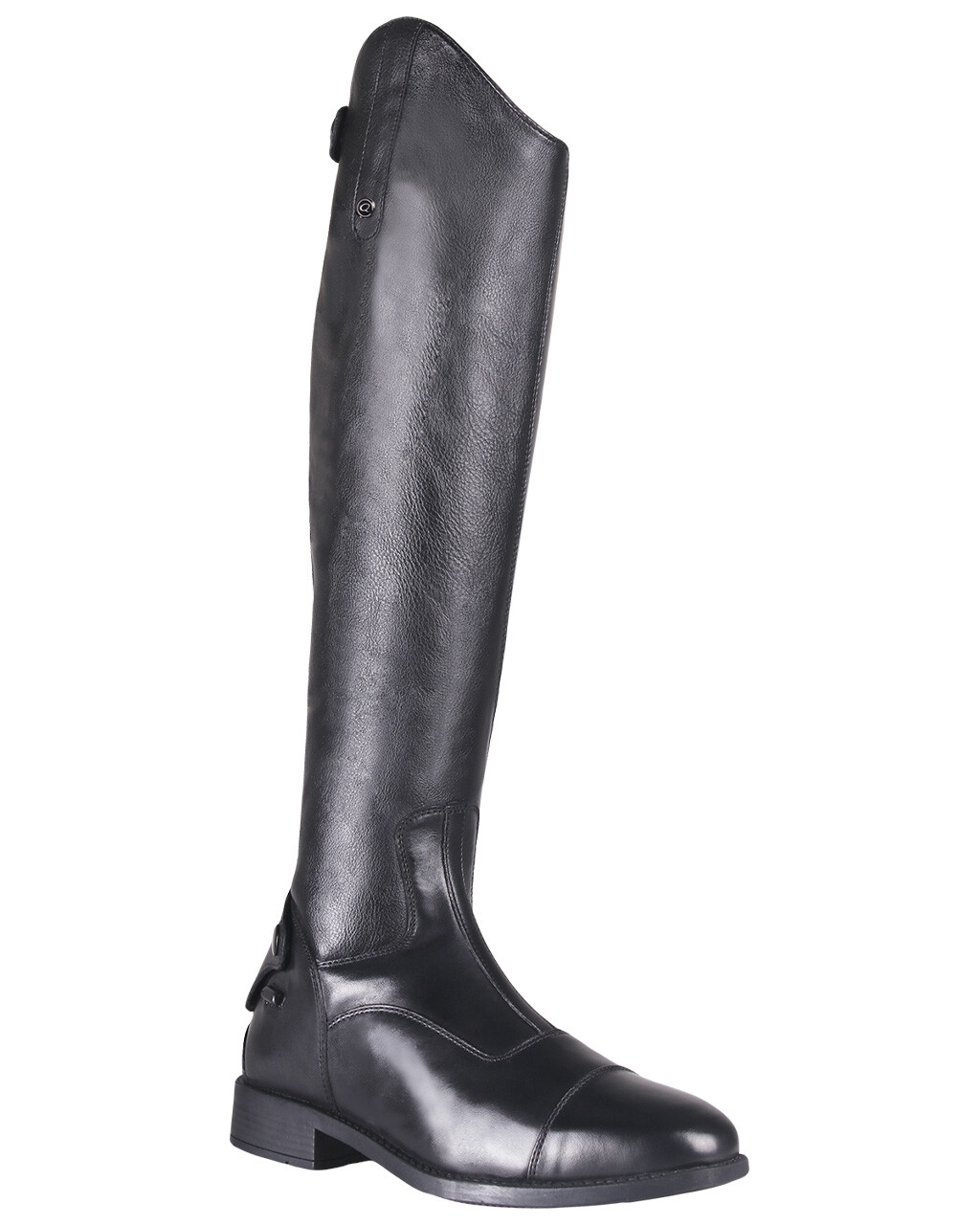

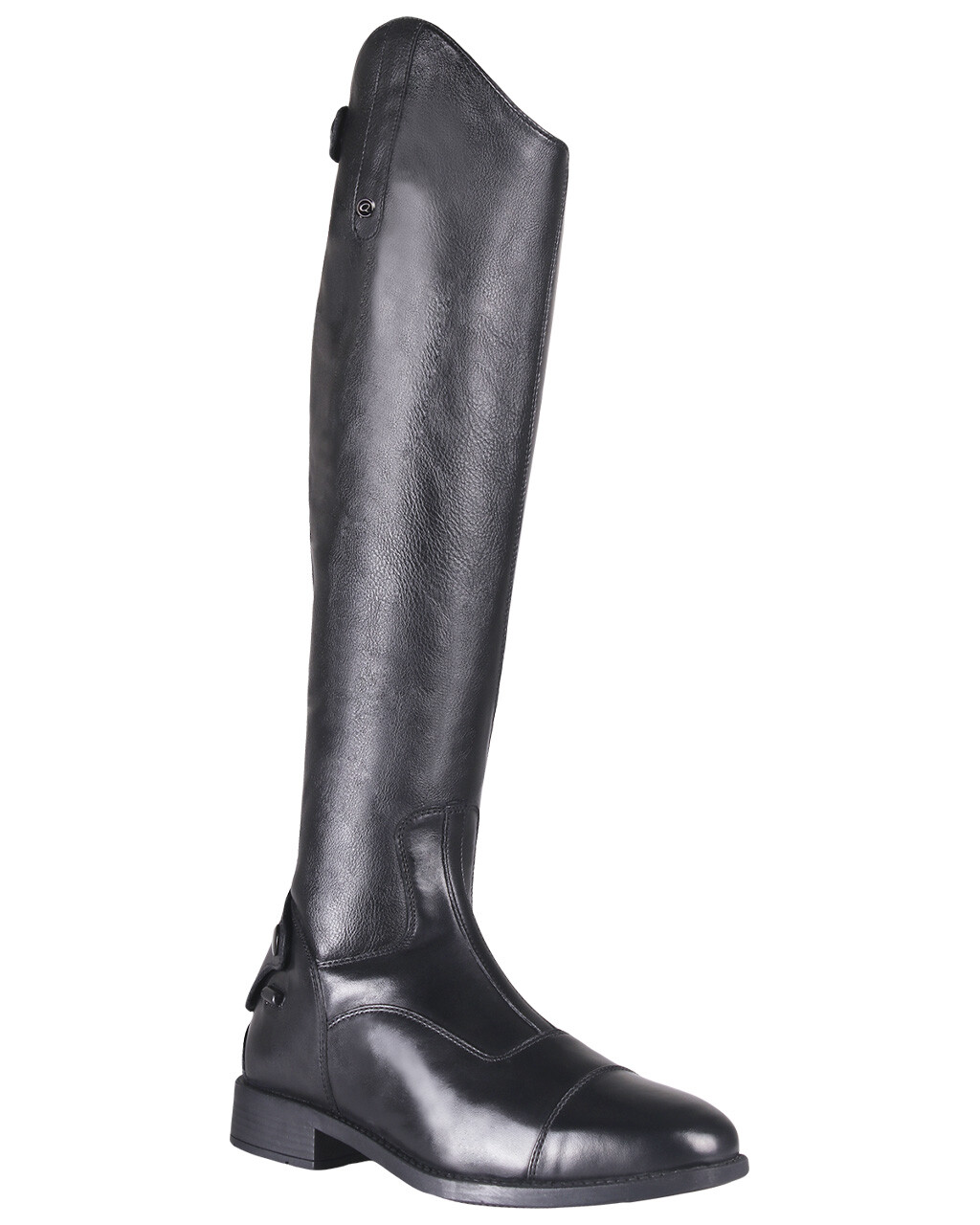

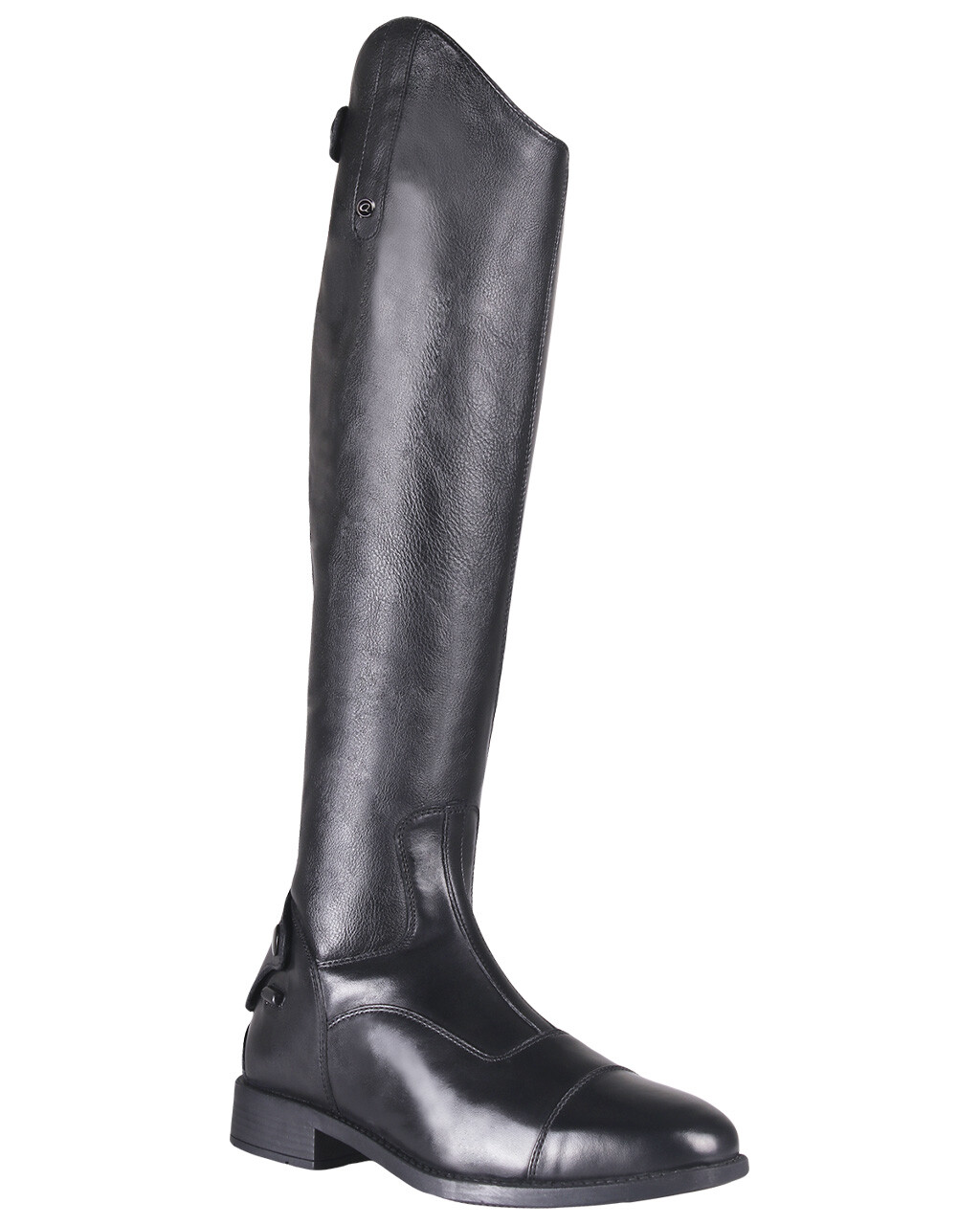


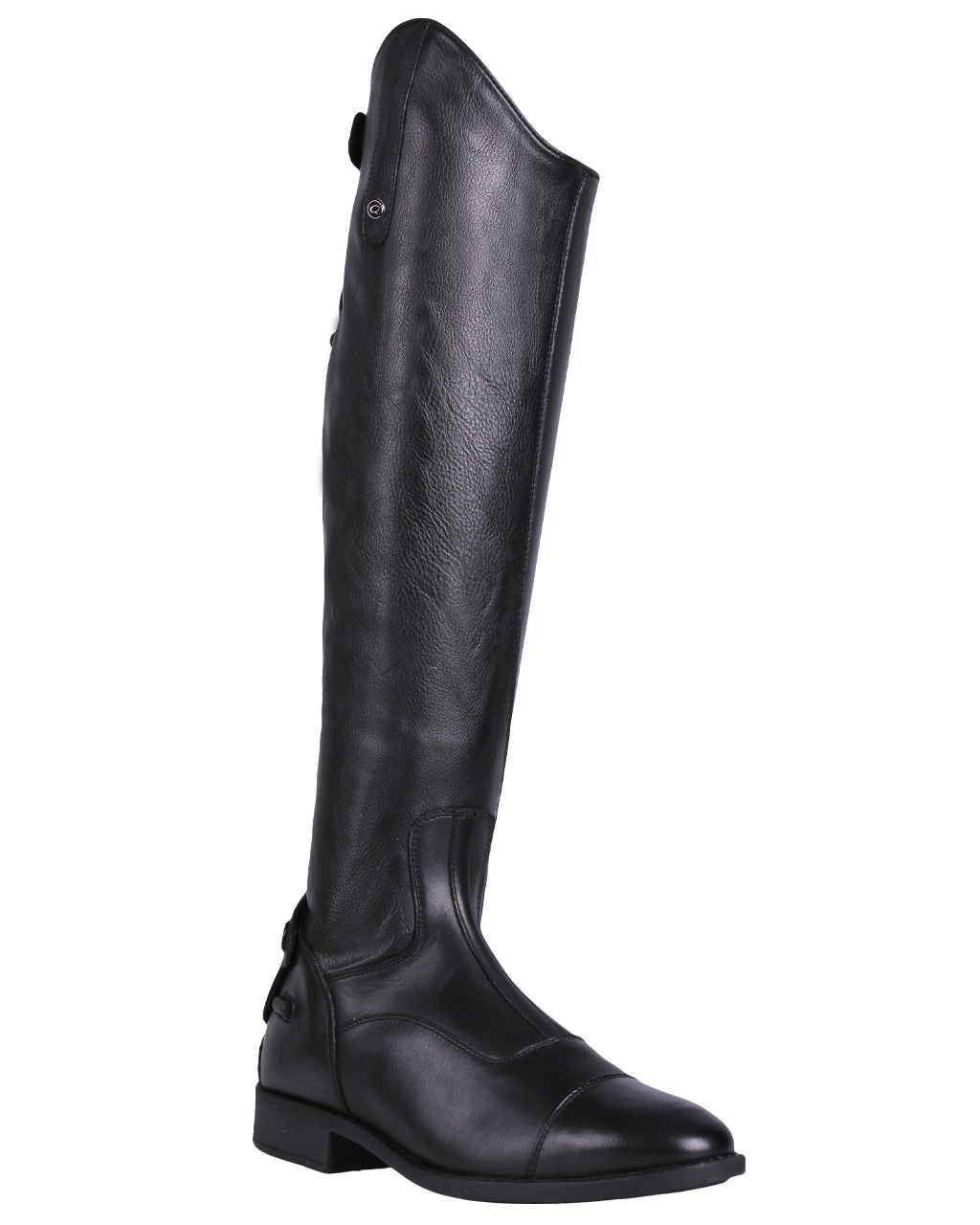
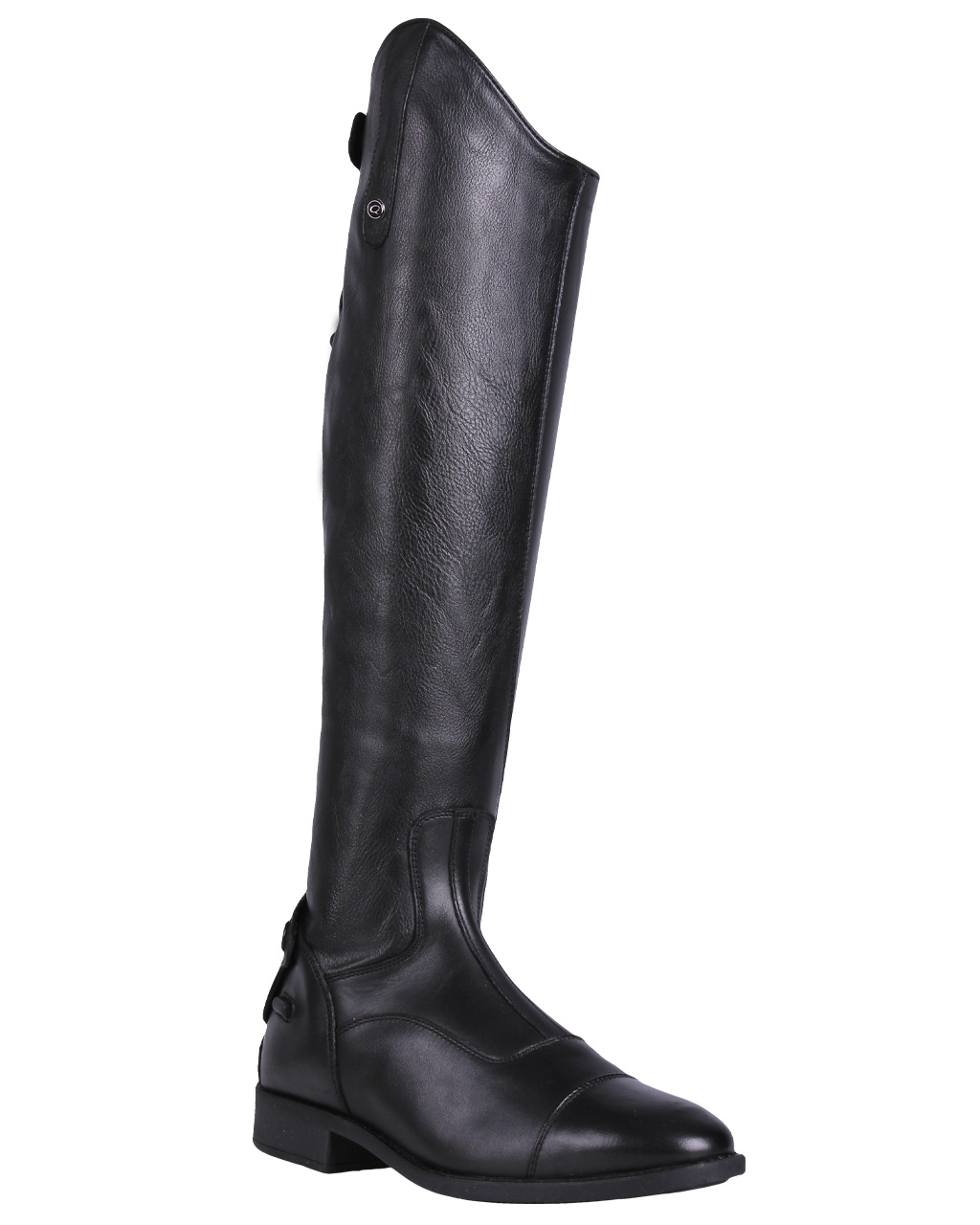

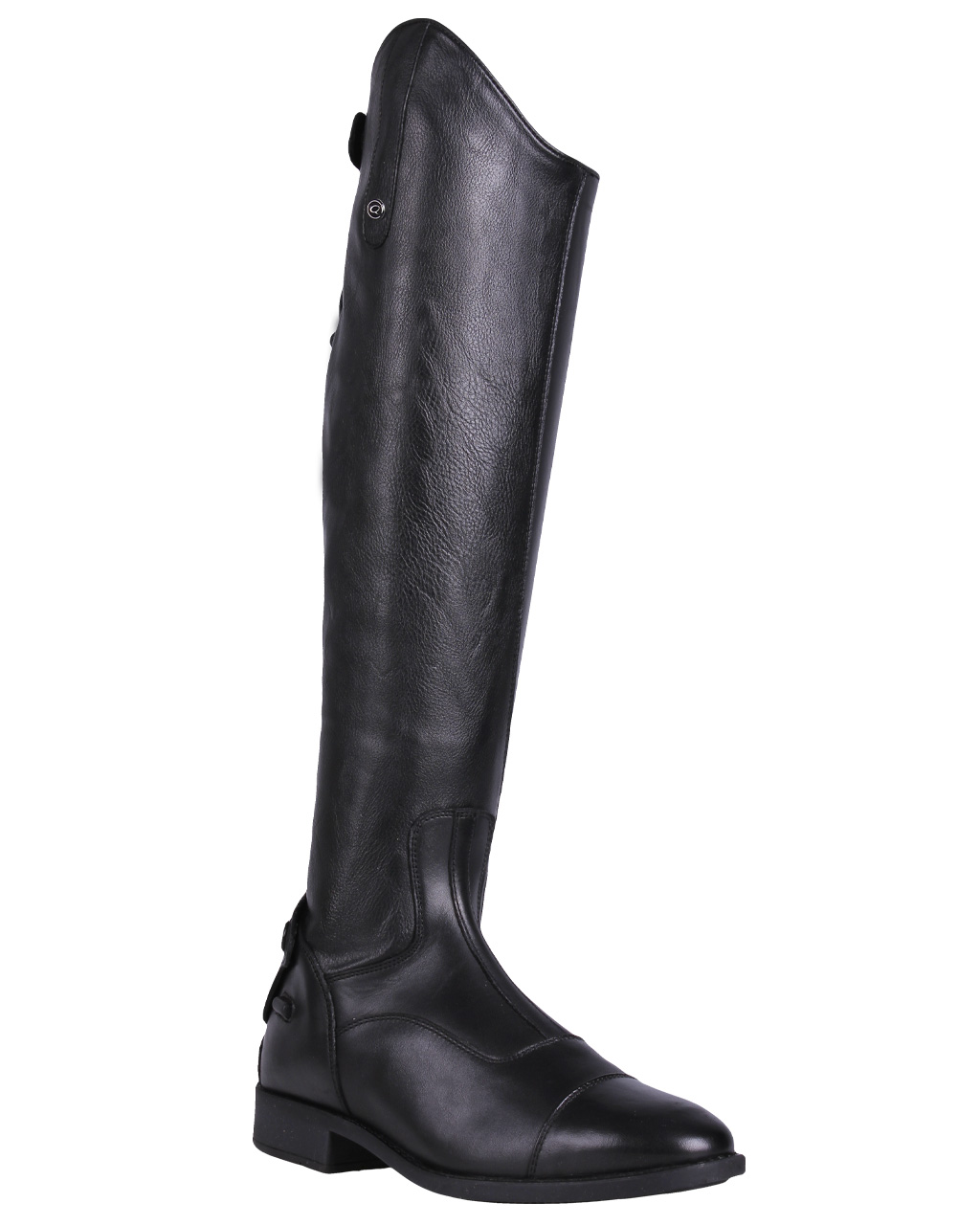


Which ladies' riding boot suits you?
Dressage boots have a high, curved dressage bow and a firm shaft in cowhide. They give the leg a calm, long line and are the choice for the dressage arena and the test.
Jumping boots are softer and more flexible, often with elastic lacing at the front so the ankle can move with the jump. At the front they are cut a little lower.
All-round boots combine both: the look of a dressage boot with the flexibility of a jumping boot, often in synthetic and therefore tough enough for stable and hacking.
Winter riding boots and thermo boots are lined and have a grippy sole for the stable aisle and winter paddock. If you spend a lot of time in the stable in winter, a dedicated winter pair is better than thicker socks in a leather boot.
Measure the calf circumference at the widest point while sitting, wearing breeches and riding socks. Most models come in three widths, for example narrow, normal and wide shaft or normal, wide and extra wide. Which width belongs to which circumference is on the manufacturer's size chart on the product page. If in doubt, prefer the narrower width for leather and the wider one for synthetic.
Leather boots yes: when new they sit snug and a little high, because the leather stretches when broken in and the shaft settles by about a centimetre. The heel must sit firmly from the start, though. Synthetic boots barely give and should fit comfortably straight away.
Leather moulds to the leg, lasts many years with care and is the classic choice for the show. Synthetic is lighter, easy-care, resistant to wet and cheaper, but without leather's moulding behaviour. For everyday stable work and training, synthetic is often perfectly fine; for the dressage arena most people go for leather.
Many models are cut unisex and go up to size 45 or 46. Men usually need a taller calf height and a wider calf, so pay attention to the calf height details. Models that run to size 44 and above can be found on the main riding boots page via the “Men” filter.
Lined winter and thermo riding boots with a grippy sole. They are cut a little wider so thick socks have room, and are usually made of synthetic or oiled leather that keeps wet out. For riding and stable work in winter a dedicated pair makes more sense than thicker socks in a leather boot.
For leather boots one to two weeks with short sessions, starting with half an hour a day. Pressure points at the hollow of the knee disappear once the shaft has settled. Anyone who wears boots for hours the first time risks sore spots. Synthetic boots need no breaking in.
Choosing calf width, calf height & size correctly
With ladies' riding boots the calf decides, not the foot. Measure the calf circumference at the widest point while sitting and wearing breeches, and the calf height from the floor to the hollow of the knee. Many models come as narrow, normal and wide shaft or as wide and extra-wide versions, so you choose the width independently of the shoe size.
Leather boots settle by about a centimetre when broken in, so when new they may sit a little high and snug. Synthetic boots keep their shape and should fit from the start. You will find the detailed measuring guide in our riding boot size guide.